
Nutrition for Each Phase of the Menstrual Cycle
Gentle, phase-based eating guide to support hormones, energy and PMS relief through your menstrual, follicular, ovulatory and luteal phases with simple gluten-free food tips.
The hormonal balance in a woman’s body begins to change several days before the start of menstruation. Fluctuations in estrogen and progesterone levels significantly affect overall well-being and metabolism.
According to scientific research, the basal metabolic rate decreases and reaches its lowest point approximately one week before ovulation, and then, during menstruation, metabolism accelerates until the beginning of the next menstrual period.
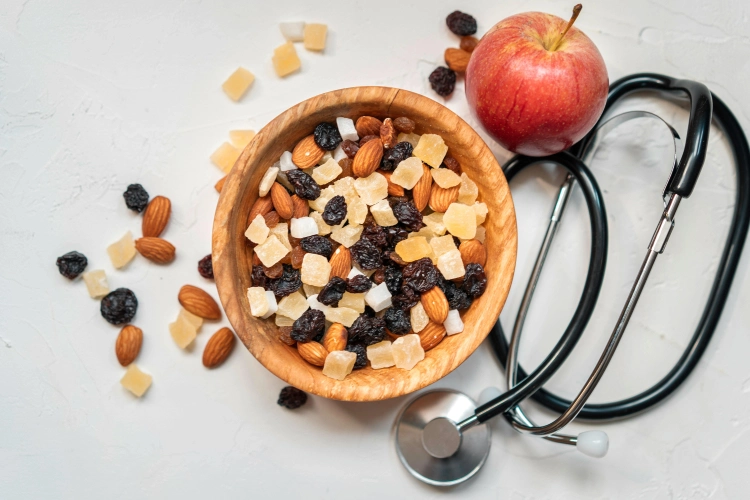
The interaction between diet and hormones is multifaceted. For the normal functioning of the hormonal and reproductive systems, women need certain nutrients, and these needs may differ at various stages of the menstrual cycle.
Scientific data indicate that vitamin D deficiency can increase the cycle length, while iron deficiency may lead to very light or excessively heavy menstrual bleeding.
Table of Contents
Menstrual Phase
During the menstrual phase (days 1–5), if conception has not occurred, estrogen and progesterone levels drop, triggering menstruation. Production of follicle-stimulating hormone begins to rise to initiate new follicle growth.
At this time, the body benefits from rest, warmth, quality sleep, and nutrition aimed at restoring energy and replenishing iron.
Recommended foods during menstruation:
Protein and iron-rich foods (liver, eggs, red meat, seafood, buckwheat, lentils, spinach) help restore hemoglobin and reduce fatigue.
- Magnesium and B vitamins (buckwheat, oats, seeds, nuts) support the nervous system and reduce irritability.
- Calcium (dairy products or supplements) helps prevent cramps and supports muscle and nerve function.
- Folic acid (green vegetables, leafy greens) normalizes estrogen levels and reduces swelling.
- Potassium (bananas, nuts, potatoes, apricots, watermelon) helps reduce bloating.
- Antioxidants (apples, plums, citrus fruits, cabbage) help ease pain.
Using a hormone tracker device such as during this phase helps monitor hormonal fluctuations that influence energy levels and food cravings.
Follicular Phase
This phase lasts approximately from day 6 to day 13. The body recovers after menstruation and begins to prepare for ovulation. Estrogen rises, energy increases, and metabolism becomes more active.
Diet during this period should support estrogen production, follicle growth, and healthy liver function.
Recommended foods in the follicular phase:
- Proteins (eggs, lean meat, fish, legumes, cottage cheese) support hormone production.
- Fiber and vegetables (broccoli, cabbage, carrots, beets, greens, zucchini) help balance estrogen.
- Whole grains (quinoa, buckwheat, oats, brown rice) provide stable energy.
- Healthy fats (avocado, olive oil, nuts, seeds) support hormonal balance.
- Antioxidants (berries, citrus fruits, apples, pomegranate) protect cells.
- Probiotics (kefir, yogurt, sauerkraut) improve digestion and detoxification.
Ovulatory Phase
Around day 14, ovulation occurs. Estrogen and luteinizing hormone reach peak levels. Women may feel more energetic, confident, and active.
The body requires light but nutrient-rich food to support increased metabolic activity.
Recommended foods during ovulation:
- Protein and zinc (eggs, turkey, chicken, seafood, lentils) support ovulation and skin health.
- Cruciferous vegetables (broccoli, cauliflower, cabbage) help the liver eliminate excess estrogen.
- Antioxidants (berries, pomegranate, citrus fruits, green tea) protect egg cells from oxidative stress.
- Healthy fats (avocado, olive oil, nuts, flax seeds) support hormone synthesis.
- Fermented foods (yogurt, kefir, sauerkraut) assist digestion and detoxification.
- Herbs and greens (parsley, cilantro, basil) support liver health.
Luteal Phase
This phase begins around day 21 and lasts until the end of the cycle. Progesterone and estrogen peak in mid-phase, increasing appetite. If pregnancy does not occur, these hormone levels fall, often causing PMS symptoms such as cramps, swelling, breast tenderness, fatigue, and mood swings.
Diet should help stabilize blood sugar, reduce fluid retention, and support emotional health.
Recommended foods during the luteal phase:
- Proteins and fats (eggs, fish, turkey, sunflower and flax seeds) support progesterone.
- Complex carbohydrates (sweet potatoes, buckwheat, quinoa, brown rice, oats) stabilize energy.
- Magnesium and vitamin B6 (bananas, avocado, spinach, nuts) reduce irritability and cramps.
- Anti-inflammatory foods (turmeric, ginger, fatty fish, green vegetables) help with swelling and abdominal pain.
- Fiber and probiotics (sauerkraut, yogurt, kefir, vegetables) reduce bloating and support digestion.
Top Foods During Menstruation
Nutrition plays an important role in managing hormonal balance and relieving symptoms throughout the cycle.
A diet rich in whole foods, fruits, vegetables, lean proteins, healthy fats, and whole grains supports hormonal health.
Reducing sugar and processed foods helps stabilize insulin and improve cycle regulation.
Best foods according to nutrition specialists:
- Eggs
- Red meat (beef, liver)
- Bananas
- Dark chocolate (70%+)
- Avocado
- Fatty fish
- Nuts and seeds
- Flax, pumpkin, sesame, and sunflower seeds
- Ginger
Photo Credit
Photo by: Atlantic Ambience
Share the love!
Related recipes 🔗
Becky ✍️
 Hi, I am Becky. I am a passionate recipe maker and having been a coeliac (celiac) for 30+ years I focus on gluten-free recipes. My blog is my online cookbook of gluten-free tasty recipes. You can follow me on X: @beckygwg
Meet Becky 👉