
Exploring Gluten-Free Dessert Trends and Where Specialty Drink Shops Fit In
Gluten-free food options have come a long way thanks to evolving food technology, the creative use of ingredients, and increased public awareness of what “gluten-free” means. These days, you’re spoiled for choice, especially in modern cities brimming with exciting new cafés, bakeries, and specialty drink shops.
Takeaway drinks are no longer exclusively coffee. There’s been a cultural beverage revolution, in no small part due to social media’s influence. Milkshake parlours, boba tea shops, smoothie shacks, and juice bars are popping up everywhere, from main streets to shopping malls. Many have even become a destination in their own right.
However, you may wonder what this means for gluten-free and coeliac customers. In this guide, we’ll explore the latest gluten-free dessert trends right now and see how specialty drink shops are becoming a surprising, but important, part of the future.
Table of Contents
The Evolution of Gluten-Free Desserts
If it feels like your dessert options have doubled in the last decade, you’re not imagining it. More people than ever are being diagnosed with celiac disease; the rate is increasing at around 7.5% every year. At the same time, other people are discovering gluten sensitivity or avoiding it as part of a wellness routine (it’s worth mentioning at this point that gluten is not inherently unhealthy for people without an allergy or sensitivity).
These factors have pushed cafes, bakeries, and brands to improve their recipes and broaden their offerings. Social media also plays a huge role. When amateur chefs and influencers post homemade gluten-free desserts that look better than the “real” thing, people want to try it. Businesses see this and follow the trend.
Another reason things are changing is the quality and availability of gluten-free ingredients. You can find tens of different flours and starch blends in most major grocery stores, plus niche products in specialty stores. Years ago, gluten-free baking felt like guesswork. Today, there are endless resources about how to create structure and texture without wheat. This means that now, desserts often taste like something you’d choose even if you weren’t aiming to be gluten-free.
Speciality Drink Shops As a New Dessert Category
Dessert isn’t always served on a plate anymore. For many people, dessert is now something you drink; think thick, creamy milkshakes or, at the more extreme end of things, towering freakshakes. Other popular dessert drinks include fresh smoothie blends, frozen frappuccinos, and matcha lattes with extra pumps of sweet syrups. Colorful boba tea (also known as bubble tea or pearl milk tea) has basically become a permanent accessory, glued to the hands of anyone under 25. It’s as much a fashion statement as it is a dessert.
Businesses that have risen to meet the demand are racing to develop Instagram-worthy drinks. They want to attract the chronically online crowd, who are ready to post and share. For example, this shop specializes in milkshakes, smoothies, coffee, desserts, and boba teas in Irving. Its menu includes drinks in delicate pastel ombres, electric blues, and verdant greens, with additional options like foam, jelly, and tapioca pearls.
Aside from being naturally gluten-free, most of the items are highly customizable. They provide a fun, sensory experience, which is yet another draw for young, independent, creative minds that thrive on stimulation. Now you know a bit about why gluten-free desserts are more prevalent, and the role specialty drinks shops play. Now, let’s look at eight of the most popular trends to guide your order next time you’re in-store.
Trend 1: Flourless and Grain-Free Desserts
Some of the best gluten-free desserts were never designed with celiacs in mind. Flourless chocolate cake, pavlova, and meringues are naturally free of gluten and taste incredible. These desserts rely on eggs (or aquafaba), sugar, nuts, and air for structure rather than flour. Since they don’t use wheat substitutes, the texture often ends up better than many gluten-free baked goods.
Nut-based treats are also having a moment. Almond flour brownies, hazelnut cookies, and coconut macaroons have become popular for their rich, satisfying flavor without gluten. These kinds of desserts also appeal to people who want fewer processed ingredients, which is another trend we’ll cover.
While “accidental” gluten-free desserts are great, remember to ask about cross-contact if you have a severe allergy. Even if the dessert doesn’t contain gluten, it may be made in a kitchen that handles wheat flour. Since flour is so light and can travel as dust in the air, this can be enough to trigger symptoms.
Trend 2: Gluten-Free Ice Cream and Frozen Desserts
You might assume ice cream is gluten-free, but that’s not always the case. Basic flavours like vanilla and chocolate are usually safe, but as soon as you start thinking about swirls, mixes, or toppings, the risk increases. Cookie dough, brownie chunks, sprinkles, syrups, crumbs, and sauces often contain gluten.
Fortunately, gluten-free ice cream options are growing fast. Many shops now offer gluten-free cones that actually taste good, so you don’t need to settle for a cup. The soft-serve and frozen yoghurt scene is improving, too. In most places, shops label everything clearly and keep gluten-free toppings in a separate, protected space. To be extra safe, ask the staff to use a clean scoop for your order. It pays to be cautious.
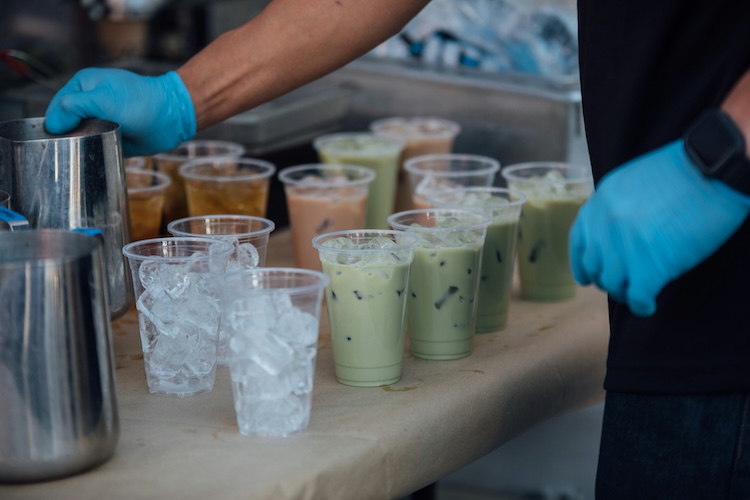
Photo by Frank Zhang on Unsplash
Trend 3: Customizable Sweet Drinks
If you love the idea of building your own dessert to suit your specific tastes, customizable drinks are a dream come true. You choose the base flavor, the sweetness level, the milk, the toppings, and any additional ingredients, such as boba pearls or drizzles. Milkshakes, cold brews, frappes, boba teas, and even smoothie bowls (at a push) fall into this category. Since you get to choose everything, it’s easier to avoid gluten. You can skip risky ingredients and stick to the ones you know, or those that are clearly certified.
However, it’s wise to be careful: shared blenders, shakers, and topping scoops can still be an issue. Many stores, especially smaller ones, share one or two blenders for everything. Powdered boosters, protein powders, and meal replacement mixes often contain barley or wheat. If they’re not properly cleaned between uses, tiny amounts of gluten can cling to surfaces and contaminate your drink. Make sure to be clear about your needs when ordering, especially if you have celiac disease.
Trend 4: The Rise of Raw Desserts
Raw desserts are one of those things that taste a lot better than they sound. They’re typically made from whole foods, putting them in the health food category. However, despite their healthy status, they can taste surprisingly decadent. Think bliss balls, energy bites, dairy-free cheesecakes, coconut bars, brownies, and dark-chocolate-covered gooey date caramels.
Raw desserts tend to use nuts, seeds, fruit, coconut, and cacao instead of flour, making them naturally gluten-free and, arguably, good for you (in moderation). They’re also a popular choice if you’re avoiding refined sugar, since many recipes use dates, agave, maple syrup, or fruit to create sweetness.
Cashew-based cheesecakes are especially trendy. They’re creamy, luxurious, and cruelty-free. They may look fancy, but they’re surprisingly simple to make: soaked cashews, coconut cream, lemon juice, and a touch of maple syrup. For a base, ground almonds and pecans with coconut palm sugar and melted coconut oil work well. Before you tuck in, be warned that oats often show up in raw desserts, and not all oats are safe for celiacs, so always ask first to be 100% sure.
Trend 5: Better Gluten-Free Baking
If you used to avoid baked goods because you assumed everything was unsafe, you might be surprised by how much things have changed. Many establishments now offer gluten-free brownies, cookies, slices, and cakes. The quality, taste, and texture are now much better thanks to innovative flour blends and baking techniques.
Almost flour, oat flour, tapioca starch, and other gluten-free ingredients can create that soft, chewy texture you associate with bakery items. However, before ordering anything, take a moment to ask how the dessert is handled. While some gluten-free options come pre-packaged at the cashier, homemade goods might need some questioning to ensure no cross-contamination.
Trend 6: Vegan, plant-based, and Gluten-Free Desserts
You may have noticed that vegan spots often have a decent gluten-free dessert selection as well. Sometimes this happens accidentally, since vegan baking often uses nut-based crusts, coconut creams, and cashew-based cheeses.
Plant-based businesses that opt to exclude animal products for health reasons also tend to offer gluten-free desserts, since it fits in with their wellness theme. For the same reason, you’re also more likely to find soy-free, sesame-free, and nut-free desserts at a place like this. It’s great if you suffer from other allergens in addition to gluten!
Trend 7: Protein and Healthy Gluten-Free Desserts
Desserts aren’t just about the sugar hit anymore. You can find sweet treats that focus on protein, fibers, adaptogens, nootropics, collagen, or other “functional” ingredients. People like the idea that a dessert ticks more than one box: it tastes good, but it serves a specific secondary purpose. Since wellness shops often use whole ingredients and plant-based elements, many of these desserts end up being gluten-free.
Protein brownies, energy bars, chia puddings, smoothie bowls, collagen drinks, and adaptogen lattes all fall into this category. This trend is great for gluten-free eaters because the main recipes skip wheat flour. However, powders can still be tricky, with protein powder being the primary risk. Some use wheat-based binders or barley-based flavorings. Granolas and crunchy toppings can also be unsafe, so if you’re unsure, ask to see the ingredients list or stick to whole-food ingredients like cocoa nibs, unflavored nuts, seeds, and fruit.
Trend 8: TikTok-Inspired Gluten-Free Treats
TikTok has transformed the culinary world, and desserts and drinks have been one of the most targeted trends. From “secret menu” Starbucks orders deemed abominations by busy baristas to viral whipped coffees and matcha options, TikTokers have covered a lot of ground. Many have amazed millions of followers by making their entire account around AMSR-style drink creations. Needless to say, there’s been no shortage of gluten-free offerings.
You’ve probably seen things like single-serve mug cakes, chickpea cookie dough, and two-ingredient brownies. These recipes take off because they’re easy, fun, and fast. Many cafes and specialty drink shops borrow ideas from social media to keep their menus fresh and the TikTok generation engaged. Many recipes are based on gluten-free ingredients like bananas, nut butters, cocoa powder, dates, juices, sodas, fruits, plant milks, and natural food dyes like blue spirulina, pink pitaya, and moringa powder.
Even so, be careful when ordering a TikTok-inspired item from a store. The ingredients may not be exactly the same as the social media original, and the equipment may not be gluten-free safe. Shared kitchen tools and contaminated surfaces can introduce unwanted gluten, so always ask how the item is prepared before you take a bite.
What to Ask Before Ordering a Gluten-Free Dessert or Drink
Regardless of how gluten-free a place seems; it’s always smart to ask a few quick questions. This goes without saying if you’re celiac: it’s better to be safe than sorry. You don’t need to feel awkward or apologetic. You’re protecting your health, and most staff want to help you. Here are a few simple things you can ask.
-
Do you use separate blenders for gluten-free drinks?
If they don’t, ask if they can wash the blender thoroughly before making your order. This may be enough if you’re gluten-sensitive. If your intolerance is more extreme, consider whether you’re comfortable with this situation. While hot water can wash away gluten, blenders have many tricky crevices and hard-to-reach areas. It may not be worth the risk.
-
Can I check the syrup ingredients/packaging?
Many syrups are safe, but a few contain barley. As you know what to look for, a quick check of the ingredients list should tell you if a product is safe or not.
-
Do any of your powders contain malt or wheat?
Malt and wheat are common culprits in protein powders and shake mixes. They’re also found in other flavoured powders like hot chocolate and some frappuccino products.
-
Are your gluten-free toppings kept separate from gluten items?
This is a key question for drinks that use cookie crumbs, sprinkles, or brownie bits. Cross-contamination can easily happen if lids are off and tiny pieces spill into nearby containers.
-
Is your oat milk certified gluten-free?
If your barista doesn’t know, it may be wise to choose another milk that you’re certain doesn’t contain gluten.
-
Can you use clean equipment for my order?
A simple wipe is not enough to ensure there’s no gluten residue. Equipment should be washed thoroughly in hot, soapy water. It should then be left to air dry or cleaned with a fresh towel that hasn’t come into contact with gluten. You should find that most cafes and drinks shops are happy to accommodate you. The more you ask, the more they learn, and the safer these places become for everyone.
How Drink Shops Can Make Desserts Safer for Gluten-free Customers
Many specialty drink shops are close to being gluten-free without even realizing. With a few changes, they can offer safer options for customers who have allergies or gluten sensitivities. The biggest improvement a drink shop can make is to keep equipment and preparation areas clean and separate. Staff should either have a dedicated gluten-free blender for drinks or be fully trained on how to wash it between orders. The same goes for shakers, syrup pumps, and utensils.
A clearly labeled menu and ingredient lists also help a lot. When you can easily see what allergens each syrup, powder, topping, and tea base contains, you can make more confident and quicker choices. Another big bonus is keeping gluten-free toppings or items away from gluten items. This prevents any contamination through spillage, which is easily done during busy periods, even if the staff have the best intentions.
Finally, staff training is critical. When employees know what gluten is, how cross-contact works, and the gravity of the situation should an allergic reaction occur, the ordering process becomes smoother for everyone. A shop that understands gluten-free safety often earns loyal customers for years, since it removes so much stress and guesswork for you as a customer.
The Future of Specialty Drink Shops and Gluten-Free Desserts
The gluten-free dessert space is almost unrecognizable from ten years ago, and it’s likely to change just as much, if not more, in the next decade. People want more exotic, unusual flavors, personalized products, and treats that can be enjoyed on the go. Drinks fit that need perfectly. They also make it easier for shops to offer gluten-free options without overhauling their entire kitchens.
More shops are educating their staff about allergens, investing in better cleaning routines, and taking cross-contact seriously. In countries where the gluten-free community is growing, like the U.S., businesses know they need to keep up with the demand for safe, inclusive menu options.
As we enter the future of dessert-style drinks, you can expect to see more creative raw desserts, flourless options, and gluten-free baked goods in coffee shops. Drinkable desserts are sure to continue on their trend of looking like glittery, rainbow, bedazzled works of art for those who like their food a little “extra”.
More muted flavors like matcha (and spin-offs like strawberry matcha), once a craze, have secured themselves a permanent spot in most on-trend specialty drinks stores. Lesser-known blends like Thai tea, cantaloupe, blue lychee, hibiscus, taro milk, ube green, and wintermelon are rising stars.
Endnote
In the world of desserts, it’s an exciting time to be gluten-free. Whether you’re gluten-free by necessity or through choice, you’ve got access to ever-expanding menus that include everything from raw slices to moist cakes, muffins, and mousses. Not to mention delicious drinks that feel like a dessert in a cup.
Speciality drink shops have been instrumental in this change because they offer creative flavors and simple ways to customize your order. When you know what to look for and how to ask for safe preparation, you can explore these tasty trends with confidence. So, next time you want to satisfy your sweet tooth, go ahead and try something new!
Photo Credit
Photo by: Vlada Karpovich
Share the love!
Related recipes 🔗
Becky ✍️
 Hi, I am Becky. I am a passionate recipe maker and having been a coeliac (celiac) for 30+ years I focus on gluten-free recipes. My blog is my online cookbook of gluten-free tasty recipes. You can follow me on X: @beckygwg
Meet Becky 👉