
Plant-Based Proteins in Gluten-Free Diets: Why Seed Crops Matter
People who live gluten-free know the struggle of meeting daily protein needs. This is because they need to be intentional about planning their meals to make sure that they do not disrupt their diets. There are so many considerations that need to be taken into account, such as avoiding wheat-based products, seitan, and many processed meat substitutes which are just not suitable for a gluten-free lifestyle. Because of restrictions like this, plant-based protein sources that are derived from seed crops are now more popular than ever before.
Some examples of seed-based ingredients include hemp hearts, chia seeds, and sunflower seed meal and pumpkin seed flour. These ingredients more than make up for the nutrition that one would get from non-gluten-free diets. Aside from these ingredients’ contribution to health, they also contribute to agriculture, sustainability, and supply chain reliability.
Table of Contents
The Nutritional Importance of Seed-Based Proteins
Seed crops are biologically designed to support plant growth, which means they naturally contain dense stores of nutrients. Many edible seeds provide protein, healthy fats, fiber, and micronutrients in balanced proportions. Hemp seeds, for example, contain all nine essential amino acids, making them a complete protein source. Pumpkin seeds and sunflower seeds are rich in protein as well as magnesium, iron, and zinc. Chia seeds contribute both protein and soluble fiber.
For those following gluten-free diets, these nutrient-dense seeds fill important gaps. Gluten-free baked goods are often lower in protein compared to their wheat-based counterparts. Incorporating seed meals or protein-rich seed flours into recipes can significantly increase protein content while maintaining structure and texture.
Food manufacturers have responded to consumer demand by incorporating seed-derived ingredients into gluten-free breads, crackers, snack bars, and plant-based protein powders. In sourcing these ingredients, agricultural producers focus on consistency and output. Commercial growers supplying edible seed crops to the food industry often prioritize resilient, productive varieties. In broader agricultural markets, growers researching reliable crop performance frequently evaluate high-yield seeds to ensure stable harvest volumes that can support large-scale food production. While the specific crop type varies, the principle remains the same: dependable yield is essential to maintaining consistent supply for food-grade processing.
Why Gluten-Free Diets Benefit from Diverse Protein Sources
Protein plays a critical role in muscle repair, immune function, enzyme production, and satiety. Many gluten-free diets rely heavily on refined rice flour or starch-based products, which may lack adequate protein and fiber. This imbalance can lead to reduced nutrient density if meals are not thoughtfully composed.
Seed crops provide a valuable solution because they can be used in multiple forms. Whole seeds can be sprinkled into salads or smoothies. Seed butters offer convenient spreads for gluten-free toast. Defatted seed meals can be incorporated into baking to increase protein without dramatically altering texture. Seed oils contribute essential fatty acids, which support heart health and help the body absorb fat-soluble vitamins.
Research consistently shows that plant-based diets rich in seeds, legumes, and whole foods are associated with improved cardiovascular markers and metabolic health. While seeds are calorie-dense, their nutrient density and fiber content support satiety and balanced blood sugar levels when consumed in appropriate portions.
Hemp, Chia, and Other Emerging Protein Staples
Hemp hearts have gained attention for their favorable omega-3 to omega-6 fatty acid ratio and complete protein profile. Unlike wheat-based protein sources, hemp seeds are naturally gluten-free and can be consumed raw. They blend easily into smoothies, oatmeal, and gluten-free baked goods.
Chia seeds are another example of a multifunctional ingredient. When hydrated, they form a gel-like texture that can replace eggs in vegan and gluten-free baking. Their protein content, combined with soluble fiber, makes them a useful addition to breakfast bowls and snack recipes.
Pumpkin and sunflower seeds also contribute meaningful protein. Pumpkin seed flour, made by grinding defatted seeds, can enhance gluten-free bread formulations. Sunflower seed meal is frequently used in allergen-friendly baking because it is free from both gluten and tree nuts.
These seed crops expand options for those managing multiple dietary restrictions. In addition to being gluten-free, many are suitable for vegan, dairy-free, and soy-free diets.
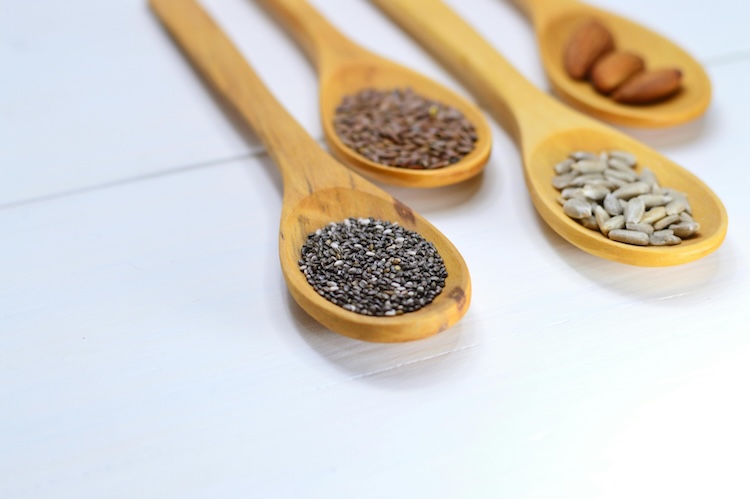
Photo by Miguel Á. Padriñán
Agricultural Stability and Food Supply
Behind every seed-based ingredient is a complex agricultural system. Farmers must consider soil health, climate conditions, pest management, and crop rotation practices. For food manufacturers producing gluten-free products at scale, reliable agricultural supply is essential.
Seed crops that demonstrate strong yields per acre help stabilize pricing and availability. When agricultural productivity is high, manufacturers can maintain steady production of protein-rich gluten-free foods. Conversely, crop shortages can increase costs and reduce accessibility.
This agricultural reality underscores why discussions about yield efficiency matter in food systems. Whether cultivating hemp for edible hearts, sunflower seeds for oil and meal, or pumpkin seeds for flour, growers evaluate performance metrics that support food-grade markets. The end result benefits consumers seeking consistent access to nutritious gluten-free products.
Culinary Applications in Gluten-Free Kitchens
Seed-based proteins are remarkably versatile in home cooking. Hemp hearts can be stirred into yogurt alternatives or blended into pesto. Chia seeds can thicken puddings or enhance baked goods. Pumpkin seed flour can be combined with rice flour or almond flour to create protein-rich bread and muffin recipes.
Texture plays a crucial role in gluten-free baking. Because gluten provides elasticity and structure in traditional wheat products, alternative ingredients must compensate. Seed meals add density and moisture retention, improving crumb structure in gluten-free loaves. They also contribute nutty flavors that enhance overall taste.
In savory dishes, toasted seeds provide crunch and protein in grain bowls and salads. Seed-based spreads can replace traditional dairy-based dips. For individuals seeking plant-based protein without relying heavily on processed substitutes, seeds offer minimally processed, whole-food options.
Digestibility and Allergen Considerations
Gluten-free diets are often adopted due to digestive disorders such as celiac disease. Seeds are generally well tolerated, although portion size and individual sensitivities should always be considered. Compared to wheat proteins, seed proteins do not trigger the autoimmune response associated with celiac disease.
Seeds also provide alternatives for individuals managing multiple food allergies. Sunflower seed butter, for example, is frequently used in nut-free environments. Hemp seeds are free from common allergens such as soy and dairy. This adaptability makes seed crops valuable in inclusive meal planning.
Proper storage and preparation are important to preserve nutritional quality. Because seeds contain natural oils, they can become rancid if exposed to heat and light. Refrigeration extends shelf life and maintains flavor.
Sustainability and Environmental Impact
Plant-based protein production generally requires fewer resources than animal agriculture. Seed crops often have lower greenhouse gas emissions and reduced land use compared to livestock systems. Additionally, some seed crops contribute to soil health through crop rotation practices.
Sustainable farming methods such as minimal tillage and integrated pest management further reduce environmental impact. As consumer demand for gluten-free and plant-based products continues to grow, sustainable seed agriculture will remain central to meeting nutritional needs responsibly.
Building Balanced Gluten-Free Meals
A well-rounded gluten-free diet emphasizes variety. Combining seed-based proteins with legumes, vegetables, fruits, and whole gluten-free grains creates balanced meals that support long-term health. While seeds are nutrient-dense, moderation remains important due to their calorie content.
Pairing seed proteins with vitamin C-rich foods can enhance iron absorption. Incorporating seeds into breakfast, snacks, and dinner spreads protein intake evenly throughout the day. These practical strategies support stable energy levels and satiety.
The Expanding Role of Seed Crops in Gluten-Free Nutrition
As gluten-free diets evolve beyond simple wheat avoidance, attention has shifted toward nutritional quality. Seed crops provide protein, healthy fats, fiber, and micronutrients in compact forms that integrate seamlessly into both home kitchens and commercial food production.
From agricultural fields to packaged gluten-free bread, seed-based proteins bridge the gap between dietary restriction and nutritional adequacy. Their versatility, digestibility, and sustainability make them foundational ingredients in modern gluten-free eating patterns.
Understanding the agricultural systems that support these crops; including the importance of stable yields and reliable supply, helps illuminate why seed crops matter. For individuals seeking nourishing, protein-rich gluten-free meals, seeds are more than toppings or garnishes. They are essential contributors to balanced, resilient food systems and to the health of those who rely on them.
Photo Credit
Photo by: Henri Mathieu-Saint-Laurent
Share the love!
Related recipes 🔗
Becky ✍️
 Hi, I am Becky. I am a passionate recipe maker and having been a coeliac (celiac) for 30+ years I focus on gluten-free recipes. My blog is my online cookbook of gluten-free tasty recipes. You can follow me on X: @beckygwg
Meet Becky 👉