
How Gluten-Free Producers Choose Display-Freezer Equipment
The growth of dedicated gluten-free production over the past decade has been quieter than the gluten-free menu boom in restaurants. It has been real and steady. Small-batch GF bakeries, frozen-meal producers serving celiac customers, and cafe operators with genuinely gluten-free product lines have all expanded into a market that rewards rigor. The display freezer that holds finished GF product on the cafe floor is the visible end of the cold chain.
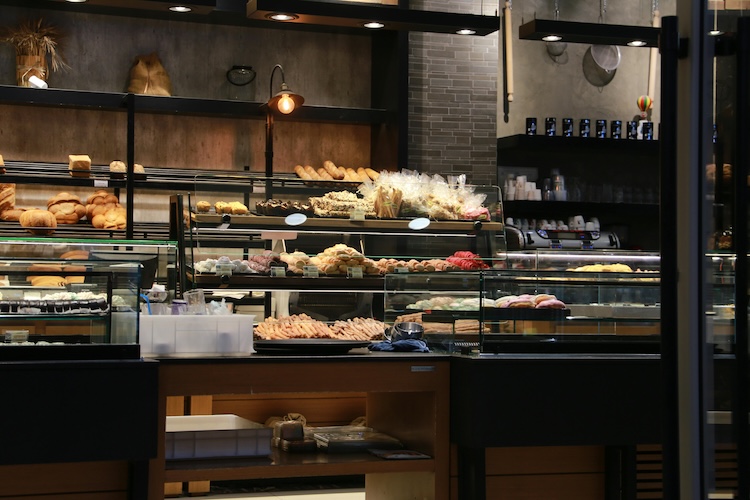
Photo by Ani Hadushaj on Pexels
The same scaling decisions that shape home GF cooking carry into the small-producer storage choice. Producers expanding from home kitchen to commercial scale often turn to a commercial glass-door display freezer sourced from operators like Calgary Commercial Refrigeration. The Canadian-owned supplier offers glass-door display freezers built for restaurants, cafes, groceries, and convenience stores at factory-direct pricing.
Table of Contents
What Makes Display-Freezer Selection Different for GF Producers?
Three considerations shape the GF-producer choice in ways that ordinary commercial-refrigeration buyers do not face directly. The batch-and-store discipline behind home GF cooking like a gluten-free butternut squash risotto gives small producers the muscle for capacity planning. The commercial scale brings dynamics no home kitchen meets.
Cross-contamination separation comes first. A celiac-safe operation cannot share refrigeration with non-GF product without specific documented protocols. Operators who specify dedicated GF equipment from the start avoid the retrofit complications that surface when shared equipment becomes a customer-trust issue.
Visible product display matters next. GF customers often inspect packaging closely (allergen labeling, manufacturing-date verification, certification stamps). Display freezers with clear glass, reliable internal lighting, and easy door access support the customer’s inspection workflow.
Temperature stability through heavy door cycling rounds out the considerations. GF bakery customers tend to browse longer than the typical retail shopper, opening doors more frequently. Units with strong recovery characteristics hold tolerance through this pattern.
Which Specifications Matter Most for a GF Display Freezer?
Six specifications drive the purchase decision. The table below summarizes the priorities.
| Specification | Why It Matters | Typical Range |
| Capacity | Match peak weekend volume | 24 cu ft (single door) to 48 cu ft (two-door) |
| Glass spec | Condensation control + product visibility | Single-pane vs double-pane low-E |
| Internal lighting | Product reads well under display | LED with cool-white or tunable temp |
| Defrost cycle | Adaptive holds tolerance through peaks | Adaptive vs fixed-timer |
| Door seals | Heavy-cycle reliability | Reinforced hinges + replaceable seals |
| Compressor placement | Floor-plan flexibility | Front-breathing vs top-breathing |
Capacity is usually the first specification a GF producer underestimates. Sizing to the average ignores the peak. Sizing to the peak with 10-percent margin holds tolerance through busy weekends.
What Should GF Producers Verify Before Placing the Order?
Six criteria belong on every shortlist. Run through these checks during the proposal stage.
- Confirm NSF or equivalent certification on the unit. Inspections lean on the documentation.
- Check Energy Star ratings. Energy Star units run 15 to 30 percent below standard commercial baseline.
- Verify lead time and freight policy. Pallet-shipped commercial freezers run 7 to 21 days.
- Compare service-network coverage in the producer’s region. A failed compressor cannot wait.
- Read the return policy on units that do not fit the space.
- Confirm warranty terms on equipment and labor (1-year all-parts and 5-year compressor is the baseline).

Wider GF certification standards are documented through the Gluten Intolerance Group’s certification program, which sets the standard most North American GF producers reference. Operational protocols sit alongside equipment selection.
Which Tasks Belong With the Producer and Which With the Supplier?
Sorting roles upfront speeds the install and the long-term operation.
Producer-handled tasks:
- Volume assessment for peak weekends, not weekday averages
- Layout planning, clearance measurement, and electrical pre-check
- Annual maintenance (gasket cleaning, condenser-coil dust, hinge tightening)
- Audit-ready documentation filing (NSF cert, energy rating, maintenance log)
Supplier-handled tasks:
- NSF-certified product sourcing
- Pallet shipping and freight scheduling
- Cross-border customs handling where applicable
- Manufacturer warranty registration
The wider Celiac Disease Foundation covers operational protocols small GF producers should reference alongside equipment maintenance.
What Common Mistakes Surface in GF-Producer Equipment Decisions?
Several patterns recur. The first is sharing equipment with non-GF product without documented protocols. Even with good intentions, shared equipment without strict separation creates cross-contamination risk. Certification bodies look closely at equipment documentation.
The second is underspecifying capacity. A producer running at 80 percent of unit capacity holds tolerance well; one running at 100-plus percent during peak weekends drifts. The third is choosing on price alone. The cheapest commercial freezer rarely produces the cleanest service life.
The fourth is skipping the Energy Star check. Display freezers run continuously and the annual energy cost is meaningful. The fifth is filing the certification paperwork late. A binder with NSF documentation and energy-rating sheets at install pays back at every audit cycle. The same freezer-friendly preparation discipline behind a gluten-free macaroni cheese scales into the equipment-and-documentation rigor audits expect.
What Is the Bottom Line for Gluten-Free Producers?
The display-freezer decision is one of the more visible operational choices a small GF producer makes. The unit shapes both food-safety outcomes and customer trust in the product’s celiac-safe positioning. Producers who match capacity to peak operational load and pick suppliers with clear NSF and energy documentation tend to clear certification audits cleanly. Filing the equipment paperwork from day one keeps audits efficient across the unit’s full service life.
Frequently Asked Questions
How Much Should I Expect to Pay for a Display Freezer?
A single-door 24-cubic-foot commercial display freezer typically runs $2,500 to $5,500 at the entry tier and $5,500 to $10,000 for full-spec premium units. Two-door 36-to-48-cubic-foot units run $5,000 to $12,000.
Can I Cross-Border Source From Canadian Suppliers to a US Operation?
Yes. Many US small producers source from Canadian commercial-refrigeration suppliers when pricing or product availability favors the cross-border route. Freight, customs, and brokerage add to the all-in delivered cost.
What Capacity Should a Small Bakery Actually Order?
For a small dedicated GF bakery serving 50 to 150 daily customers, a 24-to-30-cubic-foot single-door unit usually clears the operational load. Bakeries serving cafes and retail-pickup customers as well typically need 36-to-48 cubic feet across one or two units. Sizing to peak weekends rather than weekday averages is the right discipline.
How Does the Unit Affect My Certification Audit?
Certification audits look at equipment documentation, separation protocols, and operational practices. A unit with clear NSF documentation supports the audit. Producers who file the paperwork at install usually have smoother audits than producers who retrofit documentation later. The same maintenance discipline (annual coil cleaning, quarterly gasket inspection) preserves audit-readiness across multi-year renewals.
Photo Credit
Photo by: Daniel & Hannah Snipes from Pexels
Share the love!
Related recipes 🔗
Becky ✍️
 Hi, I am Becky. I am a passionate recipe maker and having been a coeliac (celiac) for 30+ years I focus on gluten-free recipes. My blog is my online cookbook of gluten-free tasty recipes. You can follow me on X: @beckygwg
Meet Becky 👉