
How to Build a Safe and Allergen-Friendly Gluten-Free Pantry
Establishing a gluten-free pantry can seem like a huge task. But it doesn’t have to be. With a little bit of careful planning, it’s actually not too difficult to build a versatile gluten-free pantry that contains a lot more than the usual bland, cardboardy options. Here are some tips to help:
Table of Contents
First, think about cross-contamination
Cross-contamination causes problems in places many people do not immediately think about. Crumbs in shared butter tubs, flour dust on kitchen surfaces, bulk bins in supermarkets, and unclear labeling can all create risks inside an otherwise careful kitchen. And that’s not all – food recall incidents remind people how easily contamination can happen during production and packaging. Stories about recalled salad kits, spice blends, soups, and snack foods regularly detail undeclared allergens or traces of gluten that entered the product somewhere along the supply chain.
For people with coeliac disease or severe intolerance, that kind of mistake can turn an ordinary lunch into several days of illness.
That is one reason many gluten-free households become extremely cautious about pantry organization. Keeping reliable ingredients at home reduces dependence on heavily processed convenience food and lowers the chances of accidental exposure from poorly labeled products or shared manufacturing equipment.
Identifying and understanding gluten-free foods
Some foods are naturally free from gluten in their basic form. Fresh vegetables, fruit, rice, potatoes, eggs, beans, fish, and unprocessed meat all fall into that category. You can even find gluten-free grains, including quinoa, millet, buckwheat, sorghum, and certified gluten-free oats.
Problems usually begin once manufacturers process those ingredients alongside wheat-based products. A packet of plain oats may look harmless until you realize the factory also handles wheat flour. Spice blends, sauces, stock cubes, processed meats, and flavored crisps can create similar issues.
Reading labels carefully becomes part of the gluten-free lifestyle. Certified gluten-free labels help, though ingredient lists still matter because recipes and manufacturing processes change without much warning.
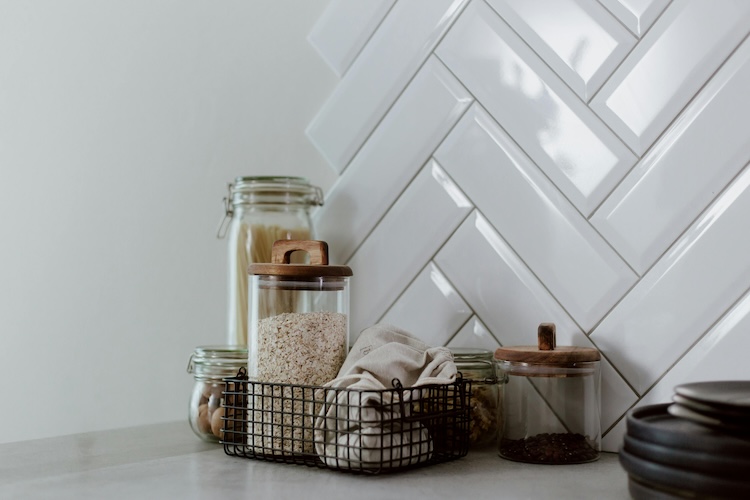
Photo by Ron Lach from Pexels
Organizing the gluten-free pantry
Organization matters in shared kitchens. If some people in the house still eat gluten, separate shelves and clearly labeled containers can cut down the chances of cross-contamination.
Flours deserve particular attention because loose flour spreads surprisingly easily through cupboards and across worktops. Keeping gluten-free flour in sealed containers away from ordinary baking ingredients usually prevents problems later.
Stocking reliable staples also makes everyday cooking easier. Rice, gluten-free pasta, canned beans, lentils, nuts, seeds, baking ingredients, and gluten-free cereals all help reduce reliance on specialist ready meals and expensive substitutes.
Rotation matters too. Older ingredients pushed to the back of cupboards can expire surprisingly quickly, particularly specialist flours and nuts.
Watch out for hidden gluten
Hidden gluten catches many people out during the first few months of dietary changes. Soy sauce, gravy granules, processed soup, marinades, stock cubes, crisps, chocolate, and salad dressings can all contain wheat-based thickeners or flavorings.
Manufacturing practices create another problem. Some products contain no direct gluten ingredients but still carry warnings about shared production lines or possible traces.
Learning the alternative names for gluten-containing ingredients also helps. Malt extract, brewer’s yeast, hydrolyzed wheat protein, and some modified starches can all appear on labels in less obvious ways.
Exploring gluten-free brands
Some brands handle gluten-free production far more carefully than others. Smaller specialist companies often maintain stricter separation between gluten-free and standard products because their entire customer base depends on that consistency.
Reviews and gluten-free forums can help identify brands with reliable manufacturing standards, though ingredient lists still need checking regularly. Companies change suppliers, factories, and recipes far more often than many shoppers realize.
Conclusion
A safe gluten-free pantry depends less on trendy substitutes and more on organization, label checking, and reliable ingredients. Careful storage, separate preparation areas, and a small group of trusted products usually make day-to-day cooking far less stressful.
Most people build the system gradually. After a while, checking labels, separating ingredients, and spotting possible contamination risks become routine rather than exhausting.
Photo Credit
Photo by: Lisa Anna
Share the love!
Related recipes 🔗
Becky ✍️
 Hi, I am Becky. I am a passionate recipe maker and having been a coeliac (celiac) for 30+ years I focus on gluten-free recipes. My blog is my online cookbook of gluten-free tasty recipes. You can follow me on X: @beckygwg
Meet Becky 👉