
How to Choose a Freezer for Home Kitchens
Open any well set home kitchen during dinner prep and you will notice smart cold storage. Frozen berries sit with dated labels, and trays move smoothly from shelf to counter. A well matched freezer keeps that rhythm steady across busy workweeks and relaxed weekends.
If you are comparing models for batch cooking or weekly shopping, begin with your space. Measure carefully, then list what must stay frozen between grocery trips and meal prep sessions. For model research and sizing ideas, many shoppers scan the collection of commercial freezers to compare capacities, door styles, and energy features that also apply to home models.
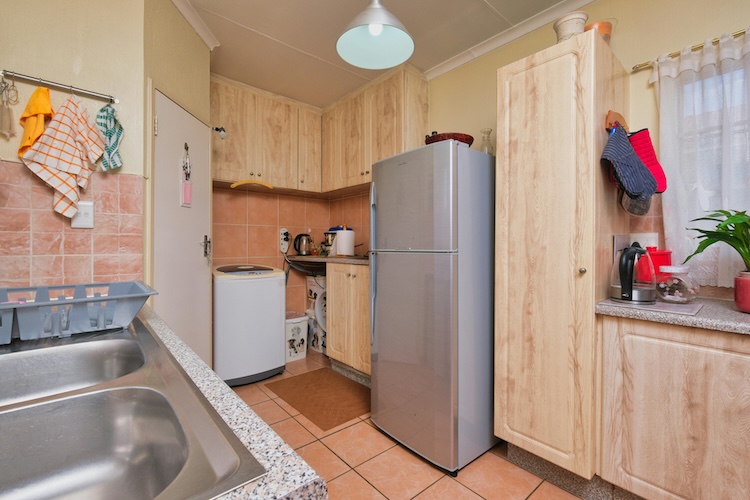
Photo by Alexander F Ungerer
Table of Contents
Size and Capacity Planning for Households
Choose a footprint that fits the room you actually have near outlets and safe ventilation. Note doorway widths, turning clearances, and any tight corners on the path from delivery to placement. A quick tape measure session now prevents scrapes and awkward returns later.
Match internal volume to your menu, household size, and shopping rhythm over a month. Families who cook in large batches can justify more space for prepared meals and bases. Smaller households may prioritize quick access and flexible shelves for smaller packages.
Sketch a simple loading map before you buy shelves or bins and label sections clearly. Group proteins, vegetables, desserts, and prepared meals in consistent zones for quicker grabbing. This shortens open door time and keeps air circulation steady across shelves and baskets.
Fast capacity checks for home cooks
- Count pans, meal prep containers, and bulk packages for your busiest cooking week.
- Leave one basket or shelf free for delivery days and new batch cooling.
- Reserve space for labels and air gaps so containers freeze and thaw predictably.
Temperature Performance and Food Safety at Home
Freezers should hold steady temperatures during frequent evening openings and weekend cooking bursts. Look for fast pull down times and tight swings while doors open and close repeatedly. Even airflow matters because warm corners thaw edges while centers remain too hard.
Keep foods at or below minus eighteen degrees Celsius to protect quality and safety every day. That temperature halts bacterial growth and manages ice crystal formation inside stored items effectively. The Food Safety and Inspection Service explains how cold storage supports both safety and texture over time.
Ask for performance data using filled shelves, not only empty box tests from showroom brochures. Real numbers under common home use patterns provide a clearer view of daily stability. This helps you choose a box that behaves well during normal family routines.
Upright or Chest, and Which Defrost Type Fits
Upright models make everyday access simpler because items sit at a comfortable working height. Shelves organize small containers, baked goods, and frozen vegetables without deep digging during dinner. Uprights also fit narrow spaces near a pantry or hallway closet.
Chest models store more per liter and lose less cold air during quick openings. Deep baskets hold bulk purchases, seasonal fruit, and large cuts very efficiently. They are great for gardeners, hunters, or anyone who freezes harvests and stock bases.
Choose frost free for convenience if you open the door many times each day. Automatic cycles reduce ice build up, although temperatures may rise slightly during those moments. Manual defrost suits longer storage and quiet operation with less drying on delicate foods.
Organization Habits That Save Time and Food
Consistent labels keep packages moving in the right order during weekly meal planning. Use large dates on lids and sides, plus color bands for meats, sauces, and desserts. Oldest items should sit front and center to support a first in, first out habit.
Plan short refresh sessions to tidy shelves and replace worn bins after big shopping trips. Wipe gaskets and door frames with mild cleaner so seals grip and hold firmly. Keep a small notepad or app list for items to use next week.
Group commonly paired items together so you can pull a complete meal quickly and easily. Place sauce bases near proteins and vegetables to reduce hunting and wasted open door time. Small choices like this help the freezer run smoothly through busy evenings.
Food Types and Where They Fit Best
Bulk proteins do best on lower shelves or bottom baskets for stable temperatures and safety. Prepared meals and soups belong at chest height where they are easy to pick. Desserts and snacks can live higher for quick checks and portion control.
Delicate pastries and fruit benefit from stable air and gentle handling most of the time. Use flat surfaces for flash freezing, then pack into bins with clear labels and dates. Keep ice cream near the front where door time can be brief during serving.
Avoid stacking soft packages so high that air pathways become blocked unknowingly. A few small air gaps help maintain even temperatures across every shelf and basket. This simple habit guards against half thawed edges and unexpected freezer burn.
Energy Use and Lifetime Cost for Households
Energy use shows up on the bill each month and across many years reliably. Check rated consumption and ask about real use with frequent evening access and weekends. Good insulation, efficient compressors, and LED lighting keep draw low without extra effort.
Look for models recognized by independent efficiency programs for residential appliances. The Energy Star site explains criteria and categories for home freezers, which supports model comparisons clearly. Efficient units usually cycle less, run quieter, and add less heat to small rooms.
Think in total cost, not only sticker price on the day you purchase. Add expected electricity, routine parts, and cleaning time across the warranty period. A freezer that is cheaper to run and service pays back while it protects food.
Placement, Power, and Home Layout
Place the freezer near a dedicated outlet and away from strong sunlight or ovens. Leave room behind and beside the cabinet so warm air can leave easily. Crowded corners raise compressor workload and reduce temperature stability across shelves.
Check door swing direction so daily paths remain smooth and unobstructed for everyone. A reversible door can solve tight spaces in laundry rooms, garages, and small pantries. Measure twice so you can open the door fully and still move safely.
If stairs or narrow halls stand between delivery and placement, plan with the driver early. Clear rugs, remove temporary barriers, and protect corners before the truck arrives. A calm drop off keeps the unit square and undamaged from the start.
Shopping Rhythm and Future Needs
Delivery schedules and family routines change storage needs faster than most buyers expect. A new hobby like baking, gardening, or fishing can quickly alter container counts. Extra space may be helpful when school lunches and weekend gatherings become frequent.
Map grocery days and batch cooking sessions on a simple monthly calendar and adjust. Keep one shelf free for new trays when you cook soups, stocks, and sauces. Place that shelf near the front to shorten open door time during busy hours.
If growth seems likely, choose adjustable rails and bins that move easily and safely. Those small choices let you rearrange storage without buying another unit quickly. You gain time to see which habits deserve more long term frozen space.
Simple Maintenance That Extends Useful Life
Plan quick monthly checks and a deeper seasonal clean for seals, coils, and baskets. Dust and pet hair clog coils, raise energy use, and slow temperature recovery times. A soft brush and vacuum help the cabinet run cooler and quieter each day.
Inspect door gaskets for tears and crushed sections after heavy holiday usage or moves. Replace worn parts before frost patterns grow and temperatures begin to fluctuate widely. Keep a spare gasket and a few bins to avoid long waits during repairs.
Defrost manual units before ice thickness reaches the width of a pencil routinely. Move food into coolers, unplug the unit, and allow a calm thaw with towels ready. A careful approach preserves finishes and prevents drips from reaching floors and walls.
A Practical Way Forward for Your Kitchen
Measure your space, count your containers, and list what must stay frozen each week. Compare upright and chest models, then pick a defrost type that matches your habits. Ask for performance and energy data under loaded conditions, not only empty showroom tests.
Photo Credit
Photo by: Haider Syed
Share the love!
Related recipes 🔗
Becky ✍️
 Hi, I am Becky. I am a passionate recipe maker and having been a coeliac (celiac) for 30+ years I focus on gluten-free recipes. My blog is my online cookbook of gluten-free tasty recipes. You can follow me on X: @beckygwg
Meet Becky 👉