
How to Create Mouth-Watering Cooking Videos for Your Food Blog
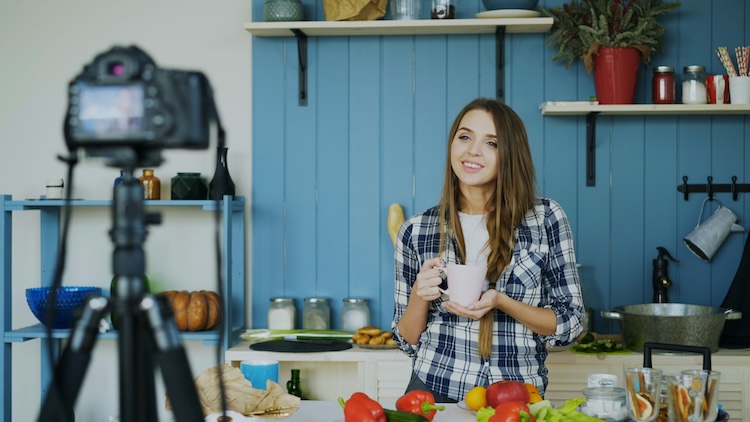
Photo by Vitaly Gariev on Unsplash
If your cooking videos look like a dull kitchen CCTV recording, no one is finishing them — let alone visiting your food blog. In today’s food blogging world, attention is the real currency, and video is the fastest way to earn it or lose it completely.
Food videography isn’t about pressing “record” and hoping for magic. It’s about control, intention, and understanding what makes people feel hunger through a screen. This guide breaks down how to make cooking videos that stop the scroll, trigger cravings, and help you grow traffic instead of drowning in mediocrity. No fluff. No Pinterest nonsense. Just what actually works.
Table of Contents
Food blogging is a visual bloodsport now
Text alone won’t save you anymore. If you expect your food blog to survive, video becomes the weapon you take to the front line.
Recipes open the door, but video keeps people inside, which is why smart creators turn their food blog into a visual experience, not just a written archive. When done right, food video production doesn’t just decorate your content — it multiplies its reach.
Gear myths are killing your momentum
You don’t need cinema cameras or a studio kitchen. You need affordable equipment used with intention. A solid phone, tripod, and basic mic already put you ahead of thousands of creators who never hit “publish.”
Editing matters more than your camera. A dependable video editor for MKV files lets you keep quality intact while cutting fast, punchy cooking clips that don’t bore viewers to death.
Stop waiting for perfect gear. Make the tools you already have work hard before upgrading anything.
Lighting is where most cooking videos succeed or die
Bad lighting makes great food look disgusting. A proper light for food videography gives you consistency and control. It’s what makes food look real, juicy, and impossible to scroll past. Natural light is great on a good day — and useless the moment conditions change. Controlled lighting is what guarantees repeatable results, every time.
A real food videographer treats light like an ingredient. Too much ruins the dish. Too little kills it.
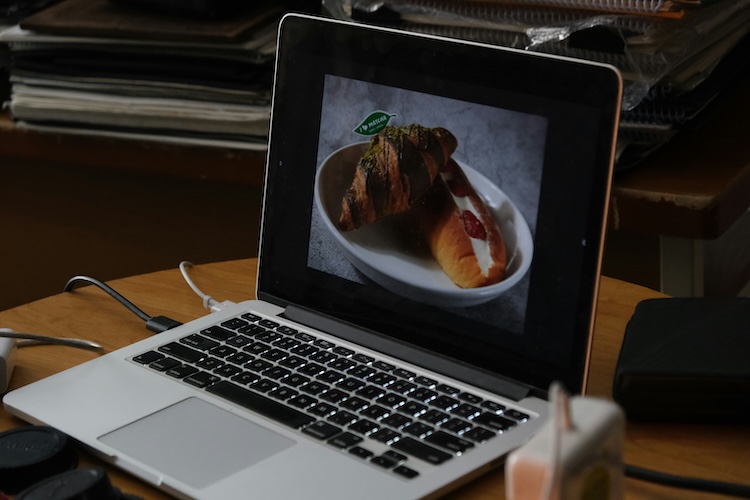
Photo by Minh Chau on Unsplash
Act like a food videographer, not a recipe reader
The biggest mistake in food video ideas? Showing everything instead of showing what matters. People don’t need to watch you stir for 30 seconds. They want impact moments. Knife cuts. Sauce pours. Cheese pulls. Final plating.
A professional food videographer designs emotion into every second. Your job isn’t documenting steps — it’s creating desire.
Plan first or waste time later
Improvisation sounds cool until you’re stuck editing garbage footage at midnight. Planning saves time and sanity.
Before filming, decide:
- Your hero shot;
- The texture moments worth slowing down;
- Where sound enhances the visual.
This is where creative ideas actually pay off. You don’t need crazy concepts — just clear intention.
Filming techniques that instantly level you up
Small technical tweaks separate amateur food blogging from polished food video production.
Core filming rules that never fail:
- Lock focus to avoid distracting shifts;
- Mix wide shots with aggressive close-ups;
- Shoot at eye-level or slight angles, not always overhead;
- Nothing should compete with the food in the background.
These core fundamentals are what turn messy cooking clips into intentional visuals.
Editing is where appetite is built
Editing isn’t decoration — it’s control. Cut anything that doesn’t serve hunger or momentum. Strong food video production relies on rhythm. Tight cuts. Natural kitchen sounds. Music that supports — not dominates — the visuals. Keep videos short, sharp, and ruthless. If viewers blink and you’ve lost them, your pacing failed.
Use video to make your food blog work harder
Video shouldn’t be stuck on social platforms and nowhere else. When you add videos to your food blog, it shifts from “just another site” to a place people actually stay
Previews hook attention, embedded video sustains it, and short edits multiply exposure across platforms. When this system works together and is applied consistently, you don’t chase algorithms — you grow traffic on your own terms.
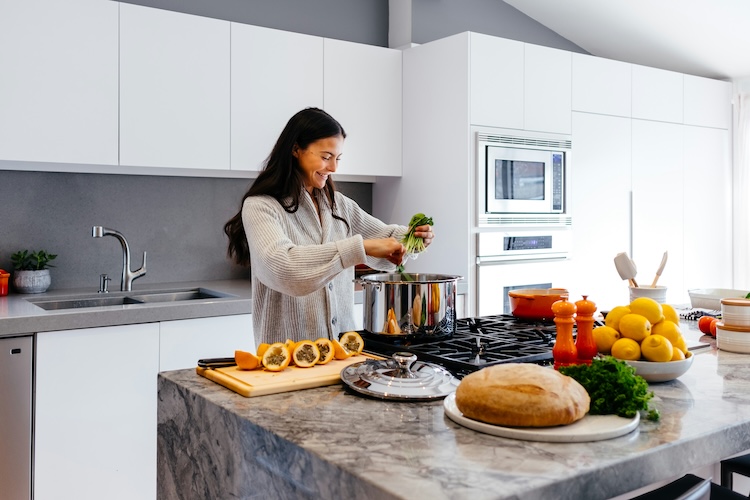
Photo by Jason Briscoe on Unsplash
Create recipes people will actually try in their own kitchens
Recipe videos lose viewers fast when the ingredient list feels unrealistic for an everyday grocery run. An ultra-unique dish like a truffle-stuffed, gold-leafed duck ballotine might look impressive, but does it earn a second watch? Almost certainly not, because it’s useless in real life.
Ask yourself what you would genuinely enjoy watching. Most of the time, it’s basic recipes with ingredients people already have, solid gluten-free food ideas, and kitchen hacks that make life in the kitchen easier.
Forced originality doesn’t impress — it pushes people away. If you’re not Amaury Guichon, whose work mesmerizes through pure artistry, that niche isn’t worth chasing. Your real job is to understand what practical value you bring and lean into what you do best.
One shoot, endless cooking clips
If you don’t work efficiently, you don’t last long. One recipe should generate multiple assets.
From one shoot, create:
- A full tutorial;
- Vertical shorts;
- Looping texture clips;
- Blog-embedded previews.
This strategy keeps your food blog active without filming every day. You need to accept that a single video can carry far more weight than you expect. Let the full version live on your blog and YouTube, tease it on Instagram, and hit TikTok with short, punchy cuts. This repurposing strategy can bring results you probably didn’t even expect.
Consistency beats talent every time
Unfortunately, most creators quit before their videos get good. Food videography is a skill built through repetition. Each shoot teaches framing. Each edit sharpens pacing. Each upload moves you closer to authority. You don’t need perfection. You need persistence.
If your first video eats up an entire day of editing, that’s fine. The next time, it’ll take half as long. Every video gets easier. Just don’t expect your first food video to be amazing — each one teaches you something. Give it a few months, and you’ll see real progress — and actually start enjoying filming and editing.
Final reality check
Respect light. Cut aggressively. Design moments. Food video production deserves the same care as any serious creative craft. Do it right, and your cooking content won’t just look good — it’ll keep readers coming back again and again.
Photo Credit
Photo by: Anna Shvets
Share the love!
Related recipes 🔗
Becky ✍️
 Hi, I am Becky. I am a passionate recipe maker and having been a coeliac (celiac) for 30+ years I focus on gluten-free recipes. My blog is my online cookbook of gluten-free tasty recipes. You can follow me on X: @beckygwg
Meet Becky 👉