
Sensitive Baby Formula: Gentle Options for Reflux, Lactose Sensitivity, and Allergies
Watching your baby struggle with digestive discomfort is one of the most challenging experiences for any parent. Whether it is persistent crying from colic, the mess and pain of spit-up, or the skin irritations associated with allergies, the root cause often lies in the bottle. Finding a sensitive baby formula that aligns with your infant’s unique digestive needs can transform a fussy, pained baby into a thriving, happy one.
The world of infant nutrition has advanced significantly, moving away from “one-size-fits-all” solutions. Today, parents have access to specialized blends designed to address specific physiological hurdles. From a specialized acid reflux formula to a completely dairy-free formula, the options are vast. In this guide, we will explore how to navigate these choices to find the most soothing and nutritious path forward for your little one.
Table of Contents
Finding the Right Milk for a Sensitive Stomach Toddler
As babies transition into their second year, digestive issues don’t always disappear. Finding the right milk for a sensitive stomach during toddler years is crucial, as their nutritional requirements increase even as their guts remain delicate. A toddler who struggled with infant formula will likely need a transition milk that respects their developed but still sensitive system.
- Lower Lactose Content. Many toddlers develop a temporary or permanent inability to process high amounts of lactose. Choosing milk for a sensitive-stomach toddler who uses alternative carbohydrate sources can reduce bloating and diarrhea.
- Goat Milk Alternatives. Goat milk is naturally easier to digest than cow’s milk because it forms a softer, smaller curd in the stomach. This makes it a fantastic bridge for toddlers who find standard cow’s milk too heavy.
- Added Fiber and Prebiotics. A toddler’s gut needs support to stay regular. Look for options that include GOS (Galacto-oligosaccharides) to support healthy bacteria in their intestines, promoting smooth digestion.
- Fortification with Iron and Vitamin D. Because sensitive toddlers might have restricted diets, their milk must be a reliable source of essential minerals. A high-quality milk for a sensitive stomach toddler ensures they don’t miss out on growth milestones.
- Avoidance of Artificial Flavors. Many “toddler milks” contain added sugars or vanillin. For a sensitive child, these can cause unnecessary inflammation. Stick to clean, organic ingredients whenever possible.
A Guide to HiPP Gentle Formula and Its Benefits
When it comes to premium European nutrition, HiPP’s gentle formula is often the first recommendation from experts. This specific line, often referred to as “HiPP Comfort,” is engineered to tackle the trifecta of infant misery: gas, constipation, and three-month colic. It bridges the gap between standard milk and medical-grade specialty products.
- Hydrolyzed Protein Structure. The proteins in HiPP’s gentle formula are “split” or broken down. This means the baby’s stomach doesn’t have to work as hard to digest them, which significantly reduces the occurrence of gas and bloating.
- Reduced Lactose Levels. While it isn’t a lactose-free baby formula, it contains much less lactose than standard blends. This is perfect for babies who aren’t allergic but have a hard time processing full-strength milk sugars.
- Specialized Fat Blend. HiPP uses a unique fat structure based on beta-palmitate, which mimics the fat found in breast milk. This helps with calcium absorption and prevents the “hard stools” that cause infant constipation.
- Probiotic Support. Derived originally from natural breast milk cultures, the probiotics in HiPP’s gentle formula help cultivate a healthy internal environment, making the baby’s gut more resilient over time.
- Comprehensive Nutritional Resource. For more detailed comparisons and sourcing of these European blends, many parents turn to organiclifestart.com to ensure they are getting the most authentic and effective products for their child’s needs.
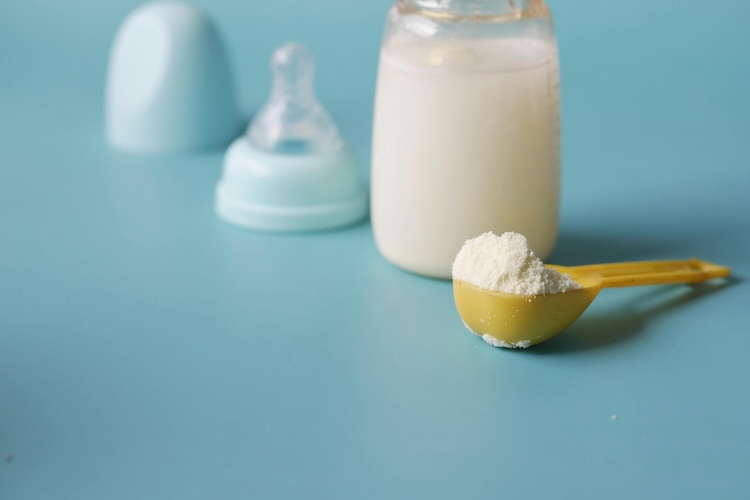
Photo by Towfiqu barbhuiya from Pexels
What Makes an Allergy-Friendly Formula Effective
For a baby with a confirmed protein allergy, a “gentle” milk isn’t enough. They require a true allergy-friendly formula. These products are designed to be “invisible” to the baby’s immune system, preventing the inflammatory response that triggers eczema, wheezing, and severe digestive distress.
- Extensively Hydrolyzed Proteins. In an allergy-friendly formula, the proteins are broken down so finely that the body no longer recognizes them as potential allergens. This allows the baby to get the amino acids they need without the reaction.
- Amino Acid-Based Options. For the most severe cases, some formulas use no whole proteins at all, only individual amino acids. This is the ultimate allergy-friendly formula for infants who cannot even tolerate hydrolyzed whey.
- Strict Manufacturing Standards. These formulas are produced in facilities that prevent cross-contamination. This ensures that no stray traces of soy or standard dairy end up in your baby’s bottle.
- Elimination of Common Irritants. A high-quality, allergy-friendly formula will also be free of soy lecithin, palm oil, and gluten, providing the cleanest possible nutritional profile for a reactive infant.
- High Palatability. Historically, hypoallergenic milks tasted bitter. Modern brands have improved their recipes so that babies are more likely to accept the bottle, ensuring they stay hydrated and fed.
Using Acid Reflux Formula to Manage Infant Discomfort
Reflux is more than just “spitting up.” It can cause a burning sensation in the esophagus, leading to “silent reflux,” in which the baby refuses to eat. An acid reflux formula (often labeled as “AR”) uses natural thickening agents to keep the milk where it belongs – in the stomach.
- Natural Thickeners like Carob Bean Gum. An acid reflux formula typically uses organic carob bean gum (locust bean gum). This stays liquid in the bottle but thickens once it hits the stomach acid, preventing the milk from traveling back up.
- Reduced Air Bubbles. The formulation of an acid reflux formula is designed to be less foamy when shaken. Less air in the bottle means less air in the tummy, which reduces the pressure that triggers spit-ups.
- Smaller Feeding Volumes. Because these formulas are slightly more filling due to their density, babies often take smaller, more manageable amounts, which puts less strain on the lower esophageal sphincter.
- Easily Digestible Carbohydrates. Even though the milk is thicker, it must remain easy to pass. A good acid reflux formula helps prevent constipation while managing reflux.
When to Consider Dairy-Free Formula or Lactose-Free Baby Formula
It is a common mistake to confuse lactose intolerance with a dairy allergy. One is a problem with sugar, the other with protein. Knowing whether you need a dairy-free formula or a lactose-free baby formula is the key to solving the puzzle of your baby’s health.
- Persistent Diarrhea and Bloating. If your baby has excessive gas but no skin rashes, a lactose-free baby formula might be the answer. This replaces milk sugar with corn-free glucose or maltodextrin to provide energy without the bloat.
- Symptoms of CMPA (Cow’s Milk Protein Allergy). If your baby has blood in their stool, hives, or chronic congestion, you must switch to a dairy-free formula. These options usually rely on soy (for older babies) or specialized hydrolyzed proteins that don’t trigger the immune system.
- Temporary Intolerance after Illness. Sometimes a stomach bug can “wipe out” the enzymes needed to digest milk. Using a lactose-free baby formula for a few weeks can give the gut time to recover before returning to standard milk.
- Plant-Based Preferences. Some families choose a dairy-free formula for lifestyle or ethical reasons. Rice-based or soy-based European formulas offer a complete nutritional profile without using animal-derived proteins.
Photo Credit
Photo by: Burst from Pexels
Share the love!
Related recipes 🔗
Becky ✍️
 Hi, I am Becky. I am a passionate recipe maker and having been a coeliac (celiac) for 30+ years I focus on gluten-free recipes. My blog is my online cookbook of gluten-free tasty recipes. You can follow me on X: @beckygwg
Meet Becky 👉