
What to Look for When Buying Gluten-Free Products: Safety Standards and Labels Explained
Our website has been focused on providing gluten-free recipes and helpful tips for people with celiac disease and gluten sensitivity. As the demand for gluten-free products grows, we understand how challenging it can be to find truly safe options. Just because something says “gluten-free” doesn’t always mean it’s free of gluten.
This article will help explain what gluten-free labels really mean and what safety standards to look for. We’ll go over important topics like certifications, cross-contamination, and the safety measures manufacturers use to make sure products are safe for people with gluten sensitivities.
Table of Contents
What Does “Gluten-Free” Really Mean?
The FDA defines “gluten-free” as a product that contains less than 20 parts per million (ppm) of gluten. This standard is important because studies have shown that levels below 20 ppm are typically safe for most people with celiac disease. Gluten is a protein found in wheat, barley, rye, and their derivatives, and even trace amounts can cause serious health issues for those with celiac disease.
However, it’s important to note that gluten-free standards can vary between countries. For example, in the European Union, the gluten-free standard is also set at 20 ppm, but in countries like Australia, products labeled “gluten-free” must contain less than 5 ppm of gluten.
These differences can make shopping for gluten-free products tricky if you are buying food from international sources, as the standards may not align with what is required in your home country. Always check for local certifications and trusted labels to ensure that the product meets your region’s safety guidelines.
Common Certifications and What They Mean
Certifications play a crucial role in ensuring that gluten-free products are safe for individuals with celiac disease and gluten sensitivity. They provide transparency and help consumers trust that the products they are purchasing meet specific safety standards. Let’s explore some of the most common gluten-free certifications and their significance.
The Gluten-Free Certification Organization (GFCO)
The Gluten-Free Certification Organization (GFCO) is one of the most widely recognized certification bodies for gluten-free products. When a product is GFCO certified, it means that it has passed rigorous testing to confirm it contains less than 10 parts per million (ppm) of gluten, which is a stricter standard than the FDA’s requirement of 20 ppm.
For a product to earn this certification, it must undergo regular testing by an independent third-party laboratory to ensure compliance. This certification adds credibility to the product by confirming that it has been produced under strict controls to minimize gluten contamination.
Other Notable Certifications
- Certified organic: Ensures that ingredients used are grown without synthetic pesticides or fertilizers. While it doesn’t guarantee the absence of gluten, it can assure consumers about ingredient purity.
- Non-GMO project verified: Guarantees the product is free from genetically modified organisms (GMOs). While GMOs don’t contain gluten, some consumers prefer non-GMO products alongside gluten-free options.
- Kosher certification: Indicates that the product meets Jewish dietary laws. Many Kosher-certified products are gluten-free, providing additional assurance about manufacturing practices and ingredient sourcing.
The Importance of Third-Party Testing
Third-party testing ensures that gluten-free products are safe. Independent labs test products to verify they contain less than the allowed gluten limit. Common tests include ELISA (enzyme-linked immunosorbent assay), which detects gluten at parts per million levels. Third-party testing builds trust by confirming products meet safety standards and protects consumers from mislabeled or unsafe products.
Key Safety Standards for Gluten-Free Products
Manufacturers follow strict protocols to guarantee that the gluten-free foods they produce are safe and meet the required standards. Let’s take a closer look at the key manufacturing processes and technologies that ensure gluten-free products are truly safe for consumption.
Manufacturing Processes to Ensure Safety
- Separate production lines: Gluten-free products are produced on dedicated lines to prevent cross-contamination with gluten-containing products. This includes using separate equipment and facilities for gluten-free production.
- Dedicated equipment: Equipment such as mixers, ovens, and packaging machines are used only for gluten-free products to avoid contamination from gluten traces.
- Ingredient sourcing: Ingredients are sourced from suppliers who guarantee their products are gluten-free. Raw ingredients are often tested for gluten content before use to ensure they meet safety standards.
Technologies Used to Prevent Contamination
Technology is used to further protect against contamination. Two of the most important tools used are conveyorized metal detectors and X-ray systems. These technologies help manufacturers detect potential contaminants that may have accidentally entered the production line. A conveyorized metal detector is used to scan products as they move along the production line, identifying any metal contaminants that might have come from equipment or machinery.
X-ray inspection systems are also increasingly used in gluten-free food manufacturing to detect contaminants such as metal, glass, or plastic that might have inadvertently entered during the production process. These systems provide an added layer of protection, ensuring that no harmful foreign objects are present in the final product before it is packaged and shipped to stores.
These technologies are especially important in larger production facilities where the speed of production can make it difficult to manually check for contaminants. Lastly, manufacturers implement strict cleaning protocols to prevent gluten contamination. Employees are trained to handle gluten-free ingredients and products carefully to avoid cross-contact and ensure product safety.
Cross-Contamination: A Hidden Danger in Gluten-Free Products
Cross-contamination refers to the accidental transfer of gluten from one product to another, which can occur during food production, handling, or storage. In food manufacturing, this happens when gluten-containing ingredients come into contact with gluten-free foods, either directly or through shared equipment, facilities, or tools.
Cross-contamination can also occur at home if gluten-free foods are prepared using utensils or surfaces that have been in contact with gluten. For individuals with celiac disease, even tiny traces of gluten can trigger severe reactions, including damage to the small intestine and other long-term health issues.
Those with gluten sensitivity may experience symptoms like bloating, pain, and digestive distress. Since even minimal exposure to gluten can cause harm, cross-contamination is a serious concern for these individuals. For them, avoiding gluten completely is essential for their health and well-being.
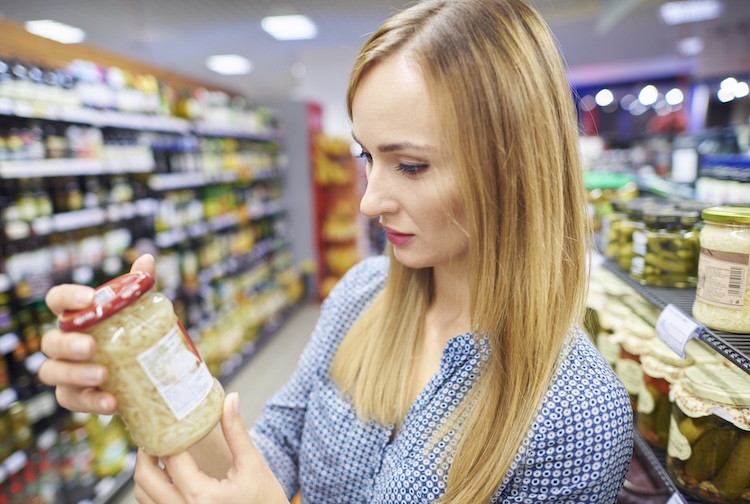
Photo by Freepik
How to Spot Cross-Contamination on Labels
Manufacturers often use specific terms on labels to indicate the potential for cross-contamination. Common phrases to look out for include:
- “Produced in a facility that processes gluten” or “Made in a facility that also processes wheat”: These warnings indicate that gluten-free products may have been exposed to gluten during production. This is a key warning for those with celiac disease or severe gluten sensitivity.
- “May contain traces of gluten”: This phrase typically means that gluten may have come into contact with the product during processing, and it may not be safe for individuals with celiac disease or gluten sensitivity.
How to Choose Safe Gluten-Free Products
We’ve discussed the importance of gluten-free labels and certifications, so let’s summarize how to make safe choices when shopping for gluten-free products.
- Certified gluten-free labels: Always look for third-party certifications like GFCO to ensure a product meets gluten-free standards.
- Ingredient list: Check for any hidden gluten sources like wheat, barley, or rye. Be cautious of additives like modified food starch.
- Allergen warnings: Look for phrases like “may contain traces of gluten” or “produced in a facility that processes gluten” to avoid cross-contamination.
- Third-party certifications and traceability: Certifications ensure safety, and traceability verifies the product’s safety from source to shelf.
- Brand commitment: Choose brands that are transparent about sourcing, production, and safety practices. Brands with clear safety measures and certifications are more reliable.
- Grocery stores: Look for dedicated gluten-free sections or check product labels for certification.
How to Read Gluten-Free Labels in Different Countries
Gluten-free labeling standards can vary significantly depending on where you are in the world. Understanding how to read gluten-free labels in different countries is essential, especially when traveling or purchasing imported products. Here’s a breakdown of gluten-free labeling in key regions and what to look for.
United States (FDA)
In the United States, the Food and Drug Administration (FDA) defines a product as “gluten-free” if it contains less than 20 parts per million (ppm) of gluten. This is the maximum amount allowed for products labeled as gluten-free, based on research that shows this level is safe for most individuals with celiac disease.
- What to look for: In addition to “gluten-free” labeling, check for certifications like GFCO (Gluten-Free Certification Organization) for added assurance that the product meets stricter gluten-free standards.
- Other labels: The FDA also allows products to be labeled as “free from wheat” if they don’t contain wheat, but this does not necessarily mean they are gluten-free.
European Union (EU)
In the European Union, the gluten-free standard is similar to that of the U.S., with a product needing to contain less than 20 ppm of gluten to be labeled as gluten-free. However, the EU also requires clearer allergen declarations for gluten, making it easier for consumers to identify products containing wheat, barley, or rye.
- What to look for: In addition to the “gluten-free” label, the EU requires ingredient lists to clearly state the presence of gluten-containing grains.
- Other labels: Some EU countries may also have their own certifications, like the Crossed Grain symbol, which further assures that a product is safe for people with celiac disease.
Australia and New Zealand
Australia and New Zealand have stricter gluten-free labeling regulations. Products labeled “gluten-free” must contain less than 5 ppm of gluten, which offers even greater assurance for people with celiac disease.
- What to look for: The Gluten-Free Certification Program (GFCP) certifies products in Australia and New Zealand, and products with this certification are guaranteed to be safe.
- Other labels: Similar to the EU, both countries require allergen declarations that specify gluten content, making it easier for consumers to make informed decisions.
Canada
In Canada, the Canadian Food Inspection Agency (CFIA) requires that products labeled as “gluten-free” contain less than 20 ppm of gluten, in line with the U.S. and EU standards. Canada also has specific rules for products containing oats, which must be certified gluten-free to be labeled as such.
- What to look for: Along with the “gluten-free” label, products may carry a certified gluten-free symbol to ensure the product has been tested and meets the necessary safety standards.
- Other labels: Products may also be labeled as “wheat-free,” but this does not guarantee that the product is entirely gluten-free, so it’s important to check for specific certification.
United Kingdom
The UK follows EU guidelines, with a product needing to contain less than 20 ppm of gluten to be labeled as gluten-free. However, gluten-free certification in the UK is often carried out by independent organizations, such as the Coeliac UK Crossed Grain Symbol.
- What to look for: The Crossed Grain Symbol is one of the most trusted certifications for gluten-free products in the UK, signifying that the product has been independently tested.
- Other labels: If the product doesn’t have this symbol, make sure to check the ingredients list for gluten-containing grains and verify that there are no warnings about potential cross-contamination.
Other Countries
In many other countries, the gluten-free standard can vary. For instance:
- In Japan, gluten-free products must contain less than 20 ppm of gluten, and labeling standards are generally consistent with those in the U.S. and EU.
- In Brazil, gluten-free products are defined as containing less than 20 ppm, but there is no mandatory gluten-free labeling law for all products.
Key Takeaways for International Shoppers
- Always check the ppm level of gluten allowed in the country you are shopping in, as it can vary.
- Look for certification symbols that ensure a product has met the country’s strictest gluten-free safety standards.
- Ingredient lists and allergen warnings are critical. In some countries, you may need to read the labels more carefully to identify hidden sources of gluten, like wheat starch or gluten-based additives.
- When traveling, carry a gluten-free travel guide or check local resources to find reliable gluten-free options and certifications in the area.
Common Myths About Gluten-Free Products
There are many myths surrounding gluten-free products that can confuse consumers. Understanding the facts can help you make better choices when shopping for gluten-free foods. Here are some of the most common myths and the truths behind them.
Myth 1: Gluten-Free Foods Are Always Healthier
Gluten-free foods aren’t automatically healthier. Many gluten-free packaged foods are processed and can contain higher amounts of sugar, fat, or additives to compensate for the lack of gluten. Just because a product is gluten-free doesn’t mean it’s a healthier option compared to its gluten-containing counterpart. Always check the nutritional information and ingredients list to ensure you’re making a healthy choice.
Myth 2: All Gluten-Free Foods Are Safe for People with Celiac Disease
Not all gluten-free foods are safe for people with celiac disease. Cross-contamination can occur during manufacturing, which means gluten may accidentally come into contact with gluten-free products. It’s crucial to look for certified gluten-free labels, such as those from the Gluten-Free Certification Organization (GFCO) or Coeliac UK, to ensure the product has been tested and is safe for individuals with celiac disease.
Myth 3: Gluten-Free Diets Are Just a Fad
While the popularity of gluten-free diets has increased in recent years, for some people, avoiding gluten is not a choice but a medical necessity. People with celiac disease, non-celiac gluten sensitivity, or wheat allergies need to avoid gluten for their health. For these individuals, eating gluten can lead to serious health complications, making a gluten-free diet a crucial part of their well-being.
Myth 4: Gluten-Free Products Are Always More Expensive
While some gluten-free products may be more expensive, many gluten-free options are comparable in price to their gluten-containing counterparts. The price often depends on the product’s quality, certification, and packaging. Basic gluten-free staples like rice, potatoes, and fresh fruits are often as affordable as their gluten-containing alternatives. It’s also possible to find budget-friendly options by shopping at stores that specialize in gluten-free or organic foods.
Myth 5: Gluten-Free Products Are Always Free from Additives and Preservatives
Gluten-free products can still contain artificial ingredients, preservatives, and additives. Just because a product is gluten-free doesn’t mean it’s free from unhealthy additives. Always read the ingredient list to check for additives like preservatives, artificial colors, and flavor enhancers, especially in packaged snacks and processed gluten-free foods.
Myth 6: You Can’t Get Enough Nutrients on a Gluten-Free Diet
A well-balanced gluten-free diet can provide all the necessary nutrients. While it’s true that some gluten-free products may lack certain nutrients like fiber, iron, or B vitamins, many gluten-free whole foods, such as fruits, vegetables, lean meats, fish, eggs, legumes, and gluten-free grains like quinoa, brown rice, and oats, are nutrient-rich. It’s important to include a variety of naturally gluten-free foods to ensure a balanced diet.
Myth 7: Gluten-Free Products Are Always Made with Rice Flour
While rice flour is a common ingredient in gluten-free products, it is not the only one. Gluten-free foods can be made with a wide range of flours, including almond flour, coconut flour, sorghum flour, oat flour, and quinoa flour. Many gluten-free products use a blend of flours to achieve the right texture and taste.
Endnote
Choosing gluten-free products can be easy once you know what to look for. You can avoid hidden gluten and stay safe by checking labels, certifications, and ingredients. Always look for trusted gluten-free labels and certifications, and be aware of cross-contamination risks. Choose brands that are open about their safety practices. With these tips, you can confidently pick the right gluten-free products to meet your needs and stay healthy.
Photo Credit
Photo by: Laura James
Share the love!
Related recipes 🔗
Becky ✍️
 Hi, I am Becky. I am a passionate recipe maker and having been a coeliac (celiac) for 30+ years I focus on gluten-free recipes. My blog is my online cookbook of gluten-free tasty recipes. You can follow me on X: @beckygwg
Meet Becky 👉