
Why Cooking More at Home Made Gluten-Free Life Easier
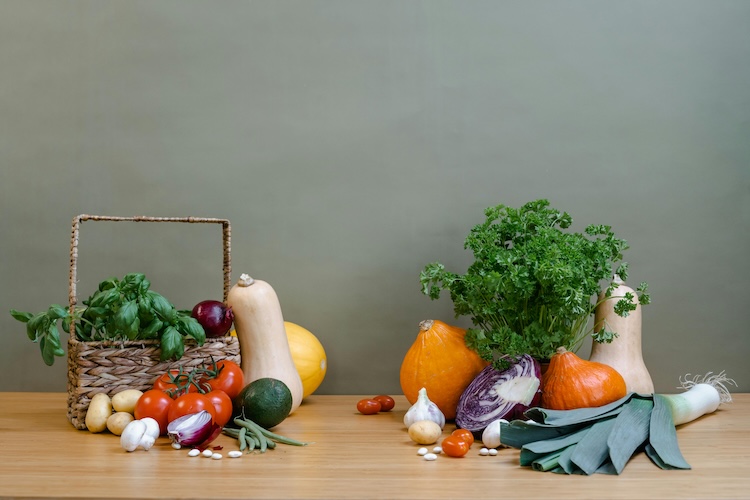
Photo by MART PRODUCTION
Reduced-gluten or gluten-free diets are very common nowadays, as even outside of extreme conditions like celiac disease, many people are finding the modern diet to contain more gluten than their bodies can easily process. Making the decision to watch your gluten intake can be a difficult one, however.
Suddenly, every meal becomes a lot more complicated, and for those with a very serious need to avoid gluten, this comes with a lot of stress. For me, one lifestyle tweak changed everything: I started cooking more at home.
It wasn’t an overnight transformation. In the beginning, cooking gluten-free from scratch felt cumbersome and frustrating. But with time and practice, something clicked. The kitchen, once a source of stress, became the place where I finally felt in control of my health again. What started as a necessity evolved into genuine enjoyment, and the benefits extended far beyond just avoiding gluten.
Table of Contents
Complete Control Over Every Ingredient
The single biggest advantage of cooking at home? You know exactly what goes into your food. While more restaurants are featuring gluten-free menu options, the risk of gluten exposure still exists when you’re not the one preparing the meal. At home, there’s no guessing, no hoping the kitchen staff understood your request, no anxiety about shared fryers or contaminated prep surfaces.
This control extends beyond safety. Home cooking allows you to tailor meals to your exact taste preferences. Don’t like the texture of a particular gluten-free pasta? Try a different brand next time. Want to add more vegetables or adjust the seasoning? Go for it. You become the chef, the quality control manager, and the most important customer all at once.
What surprised me most was how this control shifted my relationship with food from fearful to empowered. Instead of feeling limited by what I couldn’t eat, I started focusing on the abundance of naturally gluten-free whole foods available: fresh fruits and vegetables, quality proteins, rice, quinoa, and countless other ingredients that never needed gluten in the first place.
Your Wallet Will Thank You
Here’s a reality that anyone following a gluten-free diet quickly discovers: eating out is expensive, and gluten-free dishes often cost even more. Specialty menu items, separate preparation requirements, and premium ingredients all drive up prices at restaurants. Add in the tips and drinks, and a simple dinner out can strain the budget quickly.
Cooking at home flips this equation entirely. Yes, some specialty gluten-free products cost more than their conventional counterparts, but when you focus on whole, naturally gluten-free ingredients, the savings add up remarkably fast. Rice, potatoes, beans, vegetables, eggs, and proteins form the foundation of countless delicious meals without requiring premium-priced substitutes.
The financial breathing room that comes from cooking more meals at home can be redirected toward higher-quality ingredients when it matters, better cookware, or simply staying within budget without sacrificing nutrition or taste.
Recipes That Made All the Difference
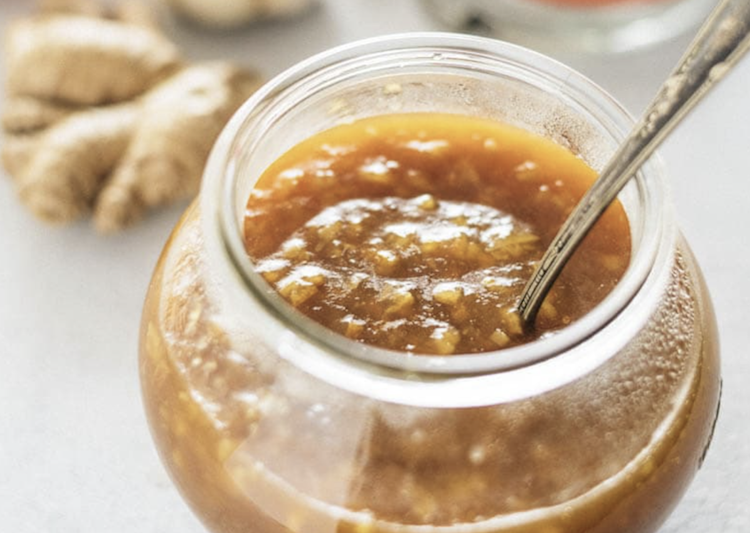
Source: Omnivore’s Cookbook
Some dishes became anchors in my gluten-free kitchen, meals I return to again and again because they’re simple, satisfying, and remind me that eating well doesn’t require gluten.
Sheet pan chicken with vegetables was my gateway recipe. Everything roasts together in one pan: chicken thighs seasoned with herbs, surrounded by whatever vegetables need using up. Forty-five minutes in the oven, minimal cleanup, maximum flavor. It taught me that gluten-free cooking doesn’t mean complicated cooking.
Rice bowls have become my other saving grace. A base of fluffy rice, topped with whatever protein is available, a pile of sautéed or raw vegetables, a drizzle of sauce, maybe a fried egg on top. Infinitely variable, always satisfying, and naturally free of gluten without trying. Making sauces also became a lot easier once I realised cornstarch and potato starch can do the job of flour in just about any context. My favorite homemade orange chicken sauce, for example, is the perfect naturally gluten-free takeout-style food, and I can even pair it with Asian-style fried chicken that uses potato starch instead of flour.
Final Thoughts
Adjusting to a gluten-free lifestyle takes time, and cooking from scratch won’t happen overnight. It took me at least a year before it started feeling natural rather than effortful. But the payoff extends far beyond dietary compliance. Cooking more at home gave me back something the diagnosis initially took away: a sense of agency over my own health and enjoyment of food.
Photo Credit
Photo by: Ravi Sharma
Share the love!
Related recipes 🔗
Becky ✍️
 Hi, I am Becky. I am a passionate recipe maker and having been a coeliac (celiac) for 30+ years I focus on gluten-free recipes. My blog is my online cookbook of gluten-free tasty recipes. You can follow me on X: @beckygwg
Meet Becky 👉