
Steadier Hormones Start With Calmer Blood Sugar And A Calmer Nervous System
Hormones rarely misbehave in isolation. For many North American women, especially those living with PCOS or persistent stress, the most powerful levers are the ones that stabilize blood sugar and calm the nervous system. That is because insulin, cortisol, and ovarian hormones share feedback loops that amplify one another. When glucose swings and stress load ease, cycles, mood, and energy often follow.
PCOS affects an estimated 6 to 12 percent of women of reproductive age in the United States. Insulin resistance is present in up to 70 percent of those with PCOS, even when body size is in the typical range, and more than half will develop type 2 diabetes by age 40 without targeted prevention. Chronic stress can worsen this picture by elevating cortisol, which raises blood glucose and can disrupt ovulation. Bringing these systems back into steadier ranges is a therapeutic starting point that does not require perfection, only consistency.
Table of Contents
PCOS, insulin resistance, and stress work in tandem
Insulin resistance increases ovarian androgen production, which contributes to acne, hair growth, and irregular cycles. High cortisol can compound resistance by increasing liver glucose output and altering appetite signals. The combination makes it harder to ovulate and easier to store visceral fat. The good news is that small, repeated inputs create measurable change. A weight reduction of just 5 to 10 percent, when advisable, can improve menstrual regularity and restore ovulation in many women with PCOS. Regular physical activity improves insulin sensitivity independent of weight change and can reduce androgen levels over time.
Food rhythm that smooths cortisol and glucose
A protein-forward breakfast helps blunt late-morning glucose spikes and steadies appetite. In controlled trials, higher protein breakfasts reduce post-meal glucose and insulin compared with high-carbohydrate starts to the day. Aim for a balanced plate at each meal by pairing carbohydrates with protein and fiber. Most women are advised to consume about 25 grams of fiber per day, yet average intake falls well below this. Building fiber through vegetables, legumes, whole grains, nuts, and seeds lowers post-meal glucose and supports gut-derived hormones that regulate appetite.
Short movement snacks matter. Brief walking after meals has been shown to reduce post-meal glucose compared with sitting, supporting steadier energy and fewer cravings. Alcohol and ultra-processed foods can fragment sleep and destabilize glucose the following day, so keeping them occasional is a reasonable hormone-supportive strategy.
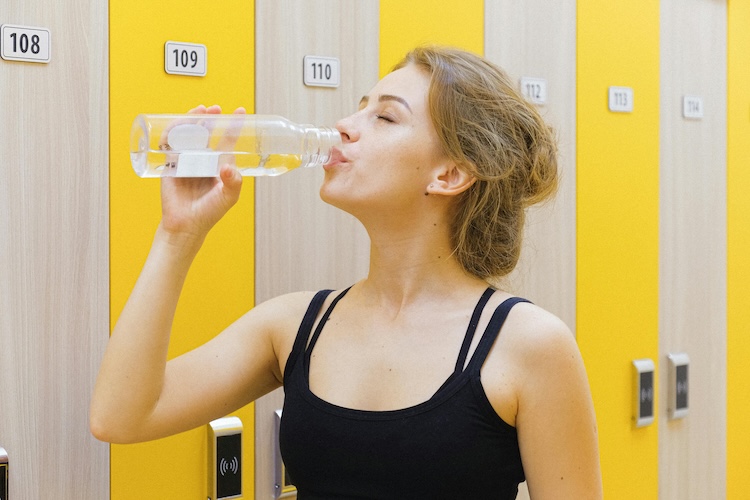
Photo by Anna Shvets
Hydration and minerals that matter
Many women underconsume potassium-rich foods and arrive at morning workouts or meetings underhydrated, which can feel like fatigue or brain fog. A small sodium and potassium boost in the morning can support fluid balance after sleep. Some women experiment with a Cortisol cocktail; while the name can be misleading because electrolytes do not directly lower cortisol, a lightly salted citrus-electrolyte drink can be a practical hydration tool, especially after a night of sweating or in hot climates. If you have high blood pressure or kidney concerns, discuss electrolytes with your clinician.
Train your stress response like a muscle
The hypothalamic-pituitary-adrenal axis is adaptable. Slow breathing at about six breaths per minute for five minutes can increase heart rate variability and lower blood pressure in the short term, reflecting a shift toward parasympathetic tone. Mindfulness-based stress reduction programs show moderate reductions in perceived stress and small but meaningful improvements in cortisol patterns. These tools are accessible and dose-responsive: two to ten minutes before meals, between meetings, or before bed can lower the day’s allostatic load and protect ovulation.
Sleep as hormonal scaffolding
Adults generally need 7 to 9 hours of sleep for metabolic and reproductive health. Experimental sleep restriction studies demonstrate that even a few nights of short sleep can reduce insulin sensitivity by roughly 20 to 25 percent, which translates to higher glucose after meals and stronger cravings. Morning daylight exposure, even 10 minutes near a window or outside, anchors the circadian clock and supports earlier melatonin onset at night. Dim lights and screens in the last hour before bed help restore regularity to the cortisol awakening response and luteinizing hormone pulses that guide ovulation.
PCOS-specific moves that change the picture
Resistance training two to three days per week increases glucose uptake in muscle through GLUT4 transporters and can lower fasting insulin over time. Pairing this with the public health recommendation of about 150 minutes of moderate-intensity aerobic activity per week supports ovulation and metabolic markers. For those managing joint pain, cycling, swimming, or incline walking can provide similar benefits with lower impact. If cycles are currently absent or widely spaced, combining these movement patterns with nutrition and sleep strategies above is often the fastest way to return to predictable rhythms.
Supplements with evidence
Myo-inositol has been shown in randomized trials to improve ovulation rates and reduce insulin resistance in PCOS, with a favorable safety profile. Omega-3 fatty acids can reduce triglycerides and may modestly lower androgens in some women with PCOS. Vitamin D insufficiency is common in PCOS and repletion can improve insulin sensitivity when levels are low. Work with your clinician on dosing and interactions, especially if you take thyroid or psychiatric medications.
When to reach out
If your cycles are routinely longer than 35 days, you notice new or worsening facial or body hair growth, or you are trying to conceive, ask your clinician about PCOS evaluation and metabolic screening. An oral glucose tolerance test can reveal early glucose dysregulation that a fasting glucose may miss. Thyroid screening and a lipid panel are also appropriate. With a plan that steadies glucose and the stress response, many women see clearer skin, more reliable cycles, and better energy within a few months, and the long-term payoff includes a lower risk of diabetes and heart disease.
Photo Credit
Photo by: Pixabay
Share the love!
Related recipes 🔗
Becky ✍️
 Hi, I am Becky. I am a passionate recipe maker and having been a coeliac (celiac) for 30+ years I focus on gluten-free recipes. My blog is my online cookbook of gluten-free tasty recipes. You can follow me on X: @beckygwg
Meet Becky 👉