
Gluten-Free Wheat Starch: A Functional Ingredient for Next-Generation Food Products
Developing gluten-free food products is no longer simply a matter of replacing wheat flour
with alternative grains. As the market has matured, food manufacturers have increasingly
focused on recreating the texture, stability, appearance and processing characteristics
consumers expect from conventional products.
This shift has made functional ingredients an essential part of modern gluten-free
formulation. Among the available options, gluten-free wheat starch is particularly interesting
because it combines the technological properties associated with wheat starch with the
low-gluten requirements needed for gluten-free applications.
Table of Contents
Understanding the Role of Wheat Starch
Starch is one of the most widely used functional components in food manufacturing.
Depending on its characteristics and the formulation in which it is used, it can influence
viscosity, texture, structure and the overall behaviour of a product during processing.For manufacturers working on gluten-free recipes, these properties can be especially
valuable. The absence of gluten often changes the way doughs and batters behave, making
it necessary to build structure through a combination of starches, flours, proteins, fibres and
Hydrocolloids.
Sacchetto Starch supplies a variety of wheat derivatives for industrial food applications,
giving formulators the opportunity to select ingredients according to the technical
characteristics required by their products.
Gluten-free wheat starch can be one of these tools, particularly when a formulation requires
specific textural or processing properties.
Why Gluten-Free Formulation Requires a Different
Approach
In conventional wheat-based foods, gluten contributes significantly to the structure of the
final product. In breadmaking, for example, gluten proteins form a network capable of
retaining fermentation gases and providing elasticity to the dough.
Removing gluten therefore changes much more than the ingredient list. It can affect dough
handling, volume, crumb structure, bite and shelf-life.
A gluten-free formulation must compensate for these changes through a carefully balanced
ingredient system. Starches can contribute to this system by modifying the behaviour of the
mixture during heating and cooling and by helping manufacturers achieve the desired
consistency and texture.
The exact effect depends on the type of starch, its processing characteristics, the other
ingredients present and the manufacturing process.
How Can Wheat Starch Be Gluten-Free?
The term “wheat starch” can initially appear incompatible with a gluten-free formulation
because wheat naturally contains gluten proteins.
The important distinction is the manufacturing process.
Wheat starch for gluten-free applications is produced by separating the starch component
from the gluten-containing protein fraction and controlling the resulting gluten content. The
ingredient and the finished food must then meet the applicable regulatory requirements for a
gluten-free claim.
In the United States, the FDA permits the use of ingredients derived from wheat that have
been processed to remove gluten, provided that the finished food contains less than 20 parts
per million (ppm) of gluten. The FDA specifically identifies wheat starch as an example of
such an ingredient. This means that gluten-free wheat starch should not be understood as simply “ordinary
wheat starch”. Its suitability for gluten-free applications depends on processing, quality
control and verification of the resulting gluten level.
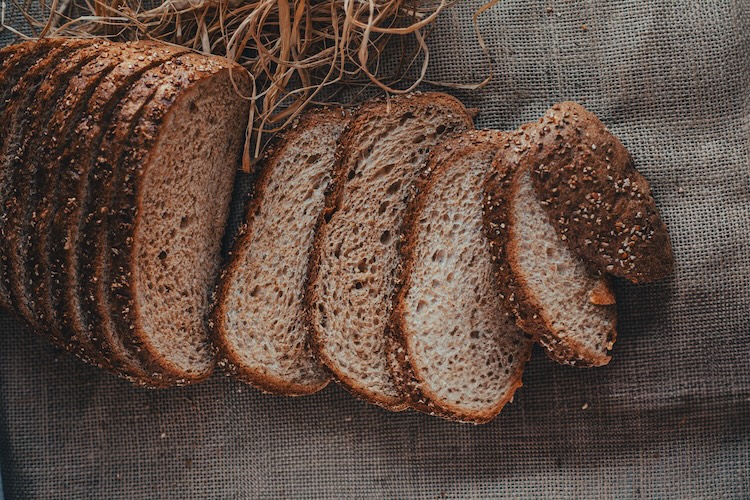
Photo by Polat Eyyüp Albayrak from Pexels
Applications Across the Food Industry
The versatility of starch means that gluten-free wheat starch can potentially be incorporated
into a wide range of food categories.
Bakery Products
Gluten-free bread, cakes, biscuits and other baked goods are among the most technically
challenging applications.
Consumers still expect these products to have a pleasant texture, appropriate volume and
good structural integrity. Since gluten is no longer available to perform its traditional
functions, formulators must develop alternative systems capable of producing the desired
Result.
Starch can form an important part of this system, working together with gluten-free flours and
other functional ingredients.
Pasta and Noodles
Gluten-free pasta presents a different set of challenges. The dough must be sufficiently
cohesive for processing while the finished product needs to maintain its integrity during
Cooking.
Starch selection can therefore influence both processing behaviour and the texture of the
cooked product. In practice, starch is generally used as part of a broader formulation rather
than as an isolated solution.
Sauces, Creams and Desserts
The applications of starch extend well beyond products traditionally associated with wheat.
In sauces, fillings, creams and desserts, starch can be used to help control viscosity and
consistency. Here, the objective is often to achieve a specific rheological profile rather than
to reproduce the structural role of gluten.
This illustrates one of the advantages of approaching gluten-free formulation from a
functional perspective: the same ingredient can have very different purposes depending on
the product being developed.
Quality Control Is Part of the Formulation
For gluten-free food production, ingredient functionality is only one part of the equation.Manufacturers also need to consider traceability, specifications, analytical testing and the
prevention of cross-contact throughout the supply chain. This is particularly important when
ingredients originate from cereals that naturally contain gluten.
The regulatory definition of “gluten-free” is based not only on the origin of an ingredient but
also on the amount of gluten present in the finished food. In the United States, the FDA
threshold is below 20 ppm.
For this reason, working with reliable suppliers and maintaining appropriate quality controls
can be just as important as selecting the right functional characteristics.
Gluten-Free Does Not Mean Compromising
Functionality
One of the biggest changes in modern gluten-free product development is the move away
from simple ingredient substitution.
Instead of asking which ingredient can replace wheat flour, food technologists can start by
identifying what the original ingredient actually does within the product.
Does the formulation need greater viscosity? Better water management? A particular crumb
structure? Improved processing behaviour? Greater stability during cooking?
Once these functions are identified, different combinations of starches, flours, proteins and
other ingredients can be evaluated to achieve the desired result.
Gluten-free wheat starch can therefore be viewed as a functional component within a
broader formulation strategy rather than as a universal replacement for conventional wheat
Ingredients.
A Tool for More Sophisticated Gluten-Free Products
The gluten-free food sector continues to move towards products that offer consumers a
quality experience comparable to their conventional counterparts.
Achieving this objective requires more than removing gluten. It requires a detailed
understanding of ingredient functionality, processing conditions and the interactions between
different components of a recipe.
Gluten-free wheat starch can have a role in this process when its characteristics match the
technical requirements of the application and its gluten status is appropriately controlled.
For food manufacturers, the real opportunity lies in treating gluten-free formulation as a
technological challenge rather than a limitation. By combining the right ingredients with
appropriate processing methods, it becomes possible to develop products that meet
gluten-free requirements while still delivering the texture, consistency and performance
consumers expect.
Photo Credit
Photo by: 军 胡
Share the love!
Related recipes 🔗
Becky ✍️
 Hi, I am Becky. I am a passionate recipe maker and having been a coeliac (celiac) for 30+ years I focus on gluten-free recipes. My blog is my online cookbook of gluten-free tasty recipes. You can follow me on X: @beckygwg
Meet Becky 👉