
Classic Maine Lobster Roll Recipe Explained Step By Step
A classic Maine lobster roll is built on simplicity. It uses cold-water lobster meat with minimal seasoning and is served on a split-top New England bun to highlight its natural texture and sweetness. When quality ingredients are used in its preparation, techniques should focus on restraint rather than enhancement.
This approach reflects long-standing culinary practice in coastal Maine, where lobster rolls are designed to showcase the meat rather than disguise it. When using properly sourced cold-water lobster meat, such as lobster sourced from trusted suppliers like LobsterAnywhere, the role of preparation is to protect firmness, moisture, and clean flavor. Understanding these fundamentals helps avoid the common errors that often lead to overdressed or poorly textured lobster rolls.
Table of Contents
What Makes a Maine Lobster Roll “Classic”
A traditional Maine lobster roll follows a strict definition that is determined by ingredient standards and handling protocols.
Cold-water lobster meat is essential. Maine lobster comes from cold Atlantic waters and boasts denser muscle fibers with firmer bite than its warm-water counterparts, therefore it holds up better when lightly dressed.
Dressings must remain minimal, classic preparations call for either mayonnaise or melted butter as a base dressing, not both. This allows the lobster to shine without being overwhelmed.
Buns play an essential role. A split-top New England bun is considered standard, its flat sides allow even buttering and toasting for structure without overshadowing its filling.
Seasoning should remain minimal, salt should only be used sparingly, while lemon typically only appears in trace amounts if at all. Celery, lettuce and complex sauces do not typically fall within traditional practice.
Ingredients You Need (And Why Each Matters)
Cold-water lobster meat
Mixing claw, knuckle, and tail meat creates the ideal combination for balanced meals. Claw meat adds tenderness while tail and knuckle provide firmness. When lightly dressed with sauces or dressings, cold-water lobster meat maintains its structure while maintaining texture and flavor.
Mayonnaise or butter
Select one ingredient – light mayonnaise is ideal for binding without overpowering flavor, while butter brings out richness when used appropriately. Combining both can obliterate texture and balance.
Salt
Salt can add an extra touch to the sweetness of lobster meat while oversalting can ruin its delicate finish.
Lemon
Optional and minimal acidity levels. Too much acidity disrupts muscle fibers and softens texture, thereby weakening their integrity and making their surfaces smoother.
Split-top New England bun
Side-toasting creates even browning and prevents sogginess in fillings, creating the perfect environment for tasty side-tornadoing!
Butter for toasting
Add warmth and structure with lobster meat when making bun-based meals by using warm spices for maximum effect.
Using clean, hand-picked lobster meat from cold-water sources, such as lobster meat supplied by LobsterAnywhere, helps maintain the firmness needed for a traditional roll.
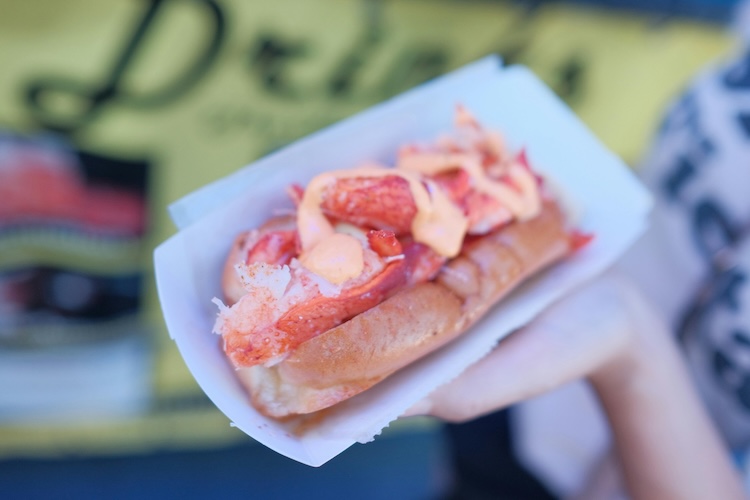
Photo by Deane Bayas
Preparing the Lobster Meat Properly
Proper handling protects texture.
Thawing
If frozen, slowly defrost lobster meat under refrigeration, rapid thawing at room temperature can increase moisture loss and softening of texture.
Temperature control
Lobster meat should either be lightly warmed or kept cold, depending on personal taste and tradition in Maine. Both methods are acceptable as long as it does not become overheated.
Reheating
Ideally, when warming using gentle heat sources such as low heat or short exposure with butter, use gentle heating methods – short exposure with butter will suffice – as opposed to microwaving which causes uneven heating and rubbery texture.
Handling
Mix gently, excessive stirring can damage muscle fibers and release moisture.
These steps align with established seafood handling practices outlined by culinary training programs and seafood processors.
Step-by-Step Assembly Process
- Toast the bun
Butter the outer sides of a split-top bun and toast on a flat surface until golden and structure has been achieved. - Prepare the lobster meat
Verify the meat is dry and at its desired temperature before dressing it. Any excess moisture must be eliminated prior to serving the dish. - Dress lightly
Add a small amount of mayonnaise or butter and fold gently until everything is coated but not saturated. - Assemble carefully
Fill a bun without overfilling, for optimal texture preservation, set loosely place lobster meat.
This lobster roll preparation prioritizes control over speed.
Common Mistakes That Ruin Maine Lobster Rolls
Overdressing
Excess mayonnaise or butter overwhelms texture and flavor.
Warm-water lobster substitution
Warm-water lobster meat lacks the firmness needed for a classic Maine lobster roll and softens quickly.
Overheating
High heat dries the meat and tightens muscle fibers.
Incorrect bun choice
Standard hot dog buns collapse and absorb moisture unevenly.
These errors account for most texture and flavor complaints associated with lobster rolls.
Portion Size and Serving Guidance
Traditional lobster rolls use 4 to 5 ounces of lobster meat per roll for optimal filling without overfilling.
Overstuffing can result in compression and moisture loss. Serving temperature should remain consistent, chilled rolls should remain cold, warm rolls should be served immediately after assembly.
Portion control promotes balance and texture over abundance.
Variations That Stay True to Maine Tradition
Two styles remain within accepted practice.
Mayo-style
Serve chilled, with minimal dressing to highlight sweetness and firmness.
Butter-style
Serve warm with lightly melted butter for maximum richness without sauces.
Acceptable additions remain restricted, finely chopped chives or lemon zest may make an appearance, celery, lettuce or heavy seasoning push the boundaries beyond tradition.
When Pre-Made Lobster Rolls Make Sense
Certain situations call for being well prepared.
Travel, gifting, or limited preparation space can make assembly impractical. Consistency also becomes important when serving multiple guests at once.
In these cases, pre-prepared options such as lobster rolls that are shipped ready to serve can provide a practical alternative while maintaining traditional ingredient standards and preparation methods.
Conclusion
Classic Maine lobster rolls succeed through restraint. Cold-water lobster meat, careful handling, and minimal seasoning make the dish. Ingredient sourcing plays an essential role, while techniques aim to maintain texture rather than alter it. When combined with a well-toasted split-top bun and treated gently it produces longstanding Maine tradition, when cold-water lobster meat is handled carefully and seasoning minimally then this classic Maine lobster roll delivers its signature taste without unnecessary excesses.
Photo Credit
Photo by: Jonathan Borba
Share the love!
Related recipes 🔗
Becky ✍️
 Hi, I am Becky. I am a passionate recipe maker and having been a coeliac (celiac) for 30+ years I focus on gluten-free recipes. My blog is my online cookbook of gluten-free tasty recipes. You can follow me on X: @beckygwg
Meet Becky 👉