
Why More Adults Are Creating Calm-First Evening Routines
Many adults are becoming more protective of their evenings as work pressure, digital overload, and constant multitasking continue affecting everyday life. After spending entire days moving between notifications, responsibilities, and screens, many people no longer want nighttime routines filled with more stimulation or rigid productivity habits. Instead, calmer evenings are becoming a priority because they help create clearer separation between stressful schedules and personal recovery time.
This shift has also changed how people think about self-care. Rather than focusing only on dramatic wellness trends, many individuals now build smaller comfort-focused routines around relaxation, slower pacing, and emotional recovery. The habits that tend to last are usually the ones that feel manageable enough to repeat consistently during ordinary weeks.
Table of Contents
Softer Environments Help People Slow Down
One of the biggest changes in evening routines is the growing focus on atmosphere. Bright lighting, loud televisions, constant notifications, and overstimulating environments often make it difficult for the body and mind to fully relax before bed.
Many people now intentionally create calmer nighttime settings using softer lighting, quieter music, more comfortable seating, and reduced screen exposure during the evening. Smaller environmental changes often help nights feel significantly more restorative because they reduce the mental intensity people experience throughout the day.
Relaxation Habits Are Becoming More Routine-Based
Many adults prefer wellness habits that fit naturally into their evenings instead of routines requiring complicated schedules or highly structured systems. Smaller recovery-focused rituals often become more sustainable because they support comfort without adding additional pressure.
Products from https://medterracbd.com are often used as part of nighttime routines focused on slowing down after mentally demanding days and creating a more comfortable transition into rest. Evening recovery habits generally work best when they feel flexible enough to fit naturally into everyday life.
Quieter Nights Are Replacing Constant Stimulation
Many people are intentionally reducing nighttime overstimulation because they already spend most of the day mentally overloaded. Constant entertainment, social media scrolling, and nonstop digital communication often leave evenings feeling less restorative than expected.
This is one reason calmer nighttime activities continue growing in popularity. Reading, slower conversations, outdoor time, skincare routines, or simply sitting in quieter environments often help people feel more emotionally balanced after stressful schedules.
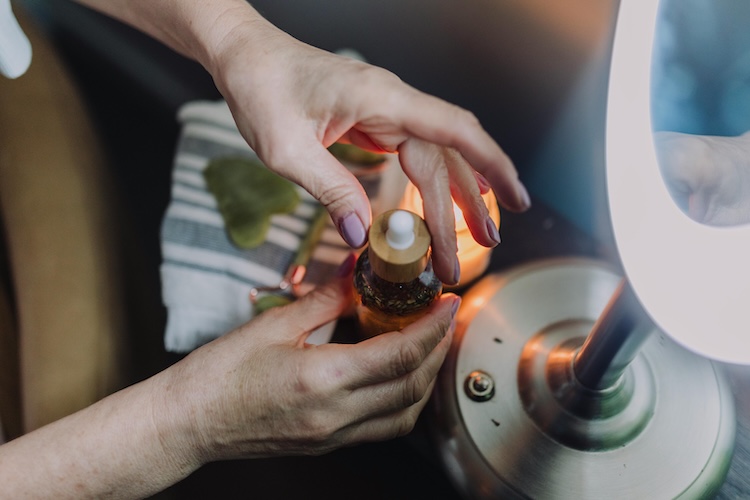
Photo by RDNE Stock project from Pexels
Evening Wellness Products Are Becoming More Familiar
Consumers increasingly prefer products tied to routines they can realistically maintain long-term rather than highly ambitious wellness systems that become difficult to follow consistently. Smaller comfort-focused habits usually create stronger consistency because they adapt more easily to busy schedules.
People interested in making evenings feel less overstimulating and more comfortable after long or mentally demanding days can check out koicbd.com or products connected to calmer nighttime routines and relaxation-focused wellness habits. Wellness routines usually become easier to maintain when they fit smoothly into everyday life rather than feeling overly strict or time-consuming.
Digital Boundaries Help Create Better Recovery
Phones and notifications continue to be one of the biggest obstacles preventing people from fully switching off mentally at night. Many adults now intentionally create small digital boundaries during evening hours to reduce mental overstimulation before bed.
Short periods away from screens often help people feel calmer because the brain has time to gradually transition away from constant information and multitasking. Smaller digital boundaries usually feel easier to maintain consistently than highly restrictive technology rules.
Consistency Matters More Than Perfection
One reason calm-first evening routines continue gaining attention is because people are searching for habits they can realistically maintain during stressful periods. Highly complicated self-care systems often become exhausting themselves, while smaller calming habits tend to fit naturally into real schedules.
According to Sleep Foundation, healthier nighttime routines and calmer sleep environments may positively support overall recovery and emotional balance. Consistent smaller habits often influence stress and relaxation more effectively than occasional dramatic wellness efforts.
The Most Effective Evening Routines Usually Feel Simple
People rarely maintain routines that feel overly rigid or emotionally demanding after already stressful days. The nighttime habits that tend to last are usually the ones that quietly improve comfort, pacing, and recovery without creating additional work.
Softer lighting, calmer environments, reduced digital overload, and smaller wellness rituals often help evenings feel more restorative naturally. The calm-first routines people continue prioritizing are typically the ones that make everyday life feel slightly slower, quieter, and easier to recover from over time.
Photo Credit
Photo by: Ivan S
Share the love!
Related recipes 🔗
Becky ✍️
 Hi, I am Becky. I am a passionate recipe maker and having been a coeliac (celiac) for 30+ years I focus on gluten-free recipes. My blog is my online cookbook of gluten-free tasty recipes. You can follow me on X: @beckygwg
Meet Becky 👉