
How Better Knife Skills Can Improve Gluten-Free Meal Preparation
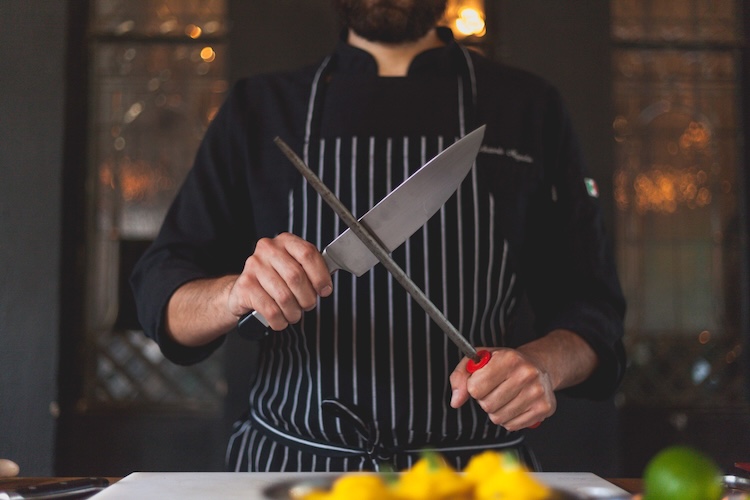
Photo by Los Muertos Crew from Pexels
Gluten-free cooking often means working with more whole ingredients and fewer shortcuts. Fresh vegetables, proteins, and naturally gluten-free grains take center stage instead of boxed mixes or pre-seasoned products.
Strong knife skills make handling those ingredients easier, cleaner, and far more consistent. When your cuts are controlled and deliberate, the entire cooking process feels more manageable. And that control directly improves gluten-free meal preparation from start to finish.
Table of Contents
Precise Cuts Reduce Cross-Contact
Gluten-free meal preparation leaves little room for error. Even small traces of gluten can trigger symptoms for people with coeliac disease or high sensitivity.
A 2024 study found that 58 out of 156 kitchen surfaces tested positive for gluten in school kitchens. Even if you’re only cooking at home, those numbers highlight how easily contamination can spread.
Cleaner, more controlled cuts help keep ingredients contained on the board instead of scattering crumbs and particles across counters.
Precise slicing also limits the need to repeatedly gather and reposition food. Fewer sweeping motions mean fewer opportunities for residue from previous tasks to mix with gluten-free ingredients.
Uniform Cuts Improve Texture
Gluten-free recipes often rely on natural starches from rice, corn, potatoes, and legumes. Those ingredients respond strongly to size and shape.
Evenly diced vegetables cook at the same rate, which prevents mushy edges and undercooked centers. When ingredients are cut inconsistently, timing becomes guesswork and dishes lose structure.
Guidance from the Institute of Child Nutrition explains that mastering knife fundamentals improves efficiency and overall food quality in scratch cooking.
For gluten-free households that cook from whole ingredients more often, uniform cuts directly translate into better flavor and presentation. Consistent knife work supports:
- Even roasting without burnt or soggy pieces
- Balanced seasoning across similar-sized ingredients
- Better visual appeal on the plate
Small improvements at the cutting board elevate the entire meal.
Strong Control Speeds Up Prep
Gluten-free cooking frequently involves extra steps. Sauces may need to be made from scratch, coatings assembled without wheat flour, and vegetables prepped instead of relying on processed mixes.
Improved knife skills shorten prep time while maintaining accuracy. Smooth, controlled movements reduce hesitation and eliminate the stop-and-start rhythm that slows down inexperienced cooks.
Faster prep keeps you focused and reduces the temptation to cut corners that could introduce gluten by mistake.
Cross-contact is an ongoing challenge for individuals following a gluten-free diet. Efficient technique directly addresses that issue by minimizing chaotic movements and rushed cleanups.
When your cuts are confident and deliberate, the entire gluten-free meal preparation process becomes calmer.
Confidence Improves Every Dish
Confidence changes how you move in the kitchen. Instead of worrying about technique, you can focus on flavors, seasoning, and creativity.
Clean, decisive cuts reduce waste and preserve the integrity of delicate gluten-free ingredients. Soft herbs bruise less, proteins slice more cleanly, and vegetables hold their structure. Meals look polished rather than pieced together.
Over time, strong knife skills turn gluten-free meal preparation into a smoother routine. You move from cautious to capable, serving dishes that feel thoughtful and complete rather than restrictive.
Proper Care Keeps Knives Reliable
Knife skills extend beyond cutting technique. They include sharpening, cleaning, and storing blades correctly.
A sharp knife requires less force, which reduces slipping and crushing. Controlled slicing keeps ingredients intact and lowers the chance of spreading residue from one task to another.
And washing and drying blades thoroughly between uses ensures that a knife previously used on gluten-containing bread does not compromise your gluten-free ingredients.
For chefs and serious home cooks who separate gluten-free tools from other kitchen equipment, secure storage matters. Improperly stored knives can become damaged, lose their edge, or come into contact with tools used for gluten-containing ingredients. These risks become even more important for culinary students, catering professionals, and chefs who regularly move their equipment between kitchens, events, or training environments.
To keep blades protected, organized, and separated from other kitchen tools during transport and storage, many culinary students, caterers, and working chefs use dedicated knife rolls for chefs and culinary professionals. These storage solutions help maintain blade condition while supporting safer kitchen practices and a more organized workflow.
Keeping gluten-free knives distinct and well-maintained reinforces safe habits every time you cook.
Build Strong Knife Skills for Gluten-Free Success
Better knife skills strengthen every stage of gluten-free meal preparation. Precise cuts reduce cross-contact risk, uniform pieces improve cooking performance, efficient movements save time, and proper care protects ingredient integrity.
Each improvement builds a safer and more enjoyable cooking experience. If you are refining your gluten-free setup, evaluate your technique as closely as your ingredients. And if this article has been helpful, check out some of our other related content.
Photo Credit
Photo by: RDNE Stock project
Share the love!
Related recipes 🔗
Becky ✍️
 Hi, I am Becky. I am a passionate recipe maker and having been a coeliac (celiac) for 30+ years I focus on gluten-free recipes. My blog is my online cookbook of gluten-free tasty recipes. You can follow me on X: @beckygwg
Meet Becky 👉