
Is Cannabis Gluten-Free? What Consumers With Dietary Restrictions Should Know
Living gluten-free often means looking beyond the obvious. Bread, pasta, cakes, and beer may be easy to identify, but processed products can require far more scrutiny. For people who also consume cannabis where it is legal, that same careful approach may need to extend to cannabis products.
Cannabis itself is a plant, so the question is less about the plant and more about what happens after harvesting. Edibles, flavored products, manufacturing practices, and added ingredients can complicate matters. Understanding the difference between cannabis in its basic form and a manufactured cannabis product can help gluten-free consumers make more informed choices.
Table of Contents
Is the Cannabis Plant Gluten-Free?
Gluten refers to proteins found in wheat, barley, rye, and related grains. Cannabis does not belong to this group. The cannabis plant itself is therefore not a natural source of gluten.
The same principle applies to cannabis seeds. Seeds intended for cultivation are not manufactured foods containing wheat or other gluten-containing grains.
However, identifying the original plant as gluten-free does not automatically make every product derived from cannabis suitable for someone following a strict gluten-free diet. Processing introduces other ingredients and environments into the equation.
This distinction is familiar in gluten-free living. A naturally gluten-free ingredient can become unsuitable when mixed with other ingredients or prepared using shared equipment. Cannabis products deserve the same product-by-product assessment.
Why Edibles Require More Attention
Edibles present one of the clearest areas of concern because they are foods as well as cannabis products. A cannabis-infused brownie, cookie, cereal bar, or similar item may contain conventional wheat flour regardless of the gluten status of the cannabis ingredient.
Less obvious products can require checking too. Gummies, chocolates, candies, beverages, and other processed items may contain numerous ingredients. Rather than assuming a particular format is safe, consumers should read the full ingredient information for the individual product.
When assessing an edible, consider:
- Whether wheat, barley, rye, or their derivatives appear among the ingredients
- Whether the packaging carries a gluten-free claim
- Whether allergen information mentions wheat
- Whether flavorings or other added ingredients need further investigation
- Whether the manufacturer provides information about shared production equipment
The practical rule is simple: treat an edible like any other packaged food. Its cannabis content does not determine whether the finished product contains gluten.
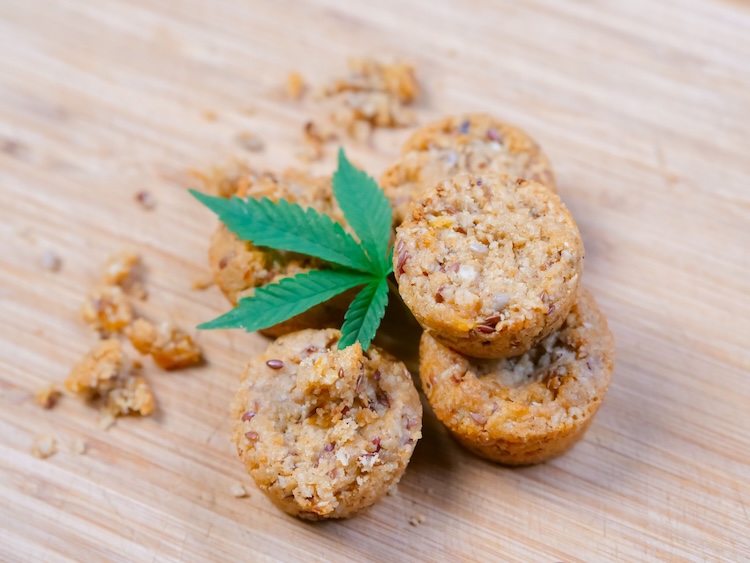
Photo by Kindel Media from Pexels
Seeds and Home Cultivation Are a Different Question
Cannabis seeds fall into a different category than processed edibles. They are the starting material for cultivation rather than a finished food containing a list of added ingredients.
That difference can help separate questions about gluten from broader questions about cannabis products. Someone researching a particular cultivar through a seed supplier such as Grower’s Choice Seeds is looking at plant genetics and cultivation material, not a prepared edible containing flour, flavorings, or other food ingredients.
Legal considerations remain important. Rules surrounding cannabis cultivation vary substantially between jurisdictions, so consumers should understand the laws that apply where they live before obtaining or germinating cannabis seeds.
For gluten-free consumers, the larger lesson is that the word “cannabis” covers products with very different characteristics. Seeds, harvested plant material, oils, gummies, baked goods, and drinks should not be treated as interchangeable when evaluating dietary suitability.
Cross-Contact Can Still Matter
Ingredient lists are only one part of strict gluten avoidance. Cross-contact can occur when a product that does not intentionally contain gluten comes into contact with gluten-containing ingredients during production, preparation, storage, or serving.
This is particularly relevant to manufactured cannabis foods. For example, a bakery producing both conventional brownies and cannabis-infused products could use the same preparation areas or equipment.
For someone who needs to avoid even unintended exposure, knowing the ingredients alone may not answer every question. Consumers who require strict gluten avoidance can take several practical steps:
- Check packaging for allergen and manufacturing information.
- Look for clear gluten-free labeling rather than relying on appearance.
- Ask the manufacturer when production practices are unclear.
- Avoid products with incomplete ingredient information.
- Be cautious with unpackaged or homemade edibles when you don’t know how they were prepared.
These habits mirror those already used when buying ordinary snacks, supplements, sauces, and prepared meals. The cannabis element changes the product category, but it does not change the fundamentals of careful label reading.
Different Cannabis Products Need Different Checks
Not every cannabis product presents the same dietary questions. A baked edible has an obvious connection to food ingredients, while other formats may seem less relevant to a gluten-free diet. Still, manufactured products can contain additives that aren’t apparent from their name or appearance.
Consumers can simplify the process by sorting products into categories. Plant material and seeds start with the characteristics of the cannabis plant itself. Edibles should be assessed as foods. Drinks require the same ingredient checks as other beverages, while oils and other processed products should be considered according to their complete formulation and manufacturing information.
This approach avoids two common mistakes: assuming all cannabis products contain gluten or assuming that none can contain it.
It is also worth being cautious about broad online claims. A statement that “cannabis is gluten-free” may technically describe the plant while offering little useful information about a chocolate bar, cookie, gummy, or other finished product. The final formulation is what matters when food ingredients enter the picture.
What Gluten-Free Consumers Should Remember
Cannabis in its natural plant form is not a source of the gluten proteins associated with wheat, barley, and rye.
Cannabis seeds likewise should not be confused with gluten-containing grains. The situation becomes more complicated once cannabis is incorporated into manufactured foods and other multi-ingredient products.
For anyone following a gluten-free diet, familiar habits remain the most practical safeguard. Read labels, examine allergen information, consider the risk of cross-contact, and contact manufacturers when information is incomplete.
Edibles deserve particular attention because their recipes can include the same gluten-containing ingredients found in conventional baked goods and snacks.
Ultimately, asking whether “cannabis” is gluten-free is too broad. The more useful question is whether the specific product being considered contains gluten or may have encountered it during production.
Treating each finished product individually allows consumers to make decisions that fit their dietary requirements without relying on assumptions.
Photo Credit
Photo by: Henri Mathieu-Saint-Laurent
Share the love!
Related recipes 🔗
Becky ✍️
 Hi, I am Becky. I am a passionate recipe maker and having been a coeliac (celiac) for 30+ years I focus on gluten-free recipes. My blog is my online cookbook of gluten-free tasty recipes. You can follow me on X: @beckygwg
Meet Becky 👉